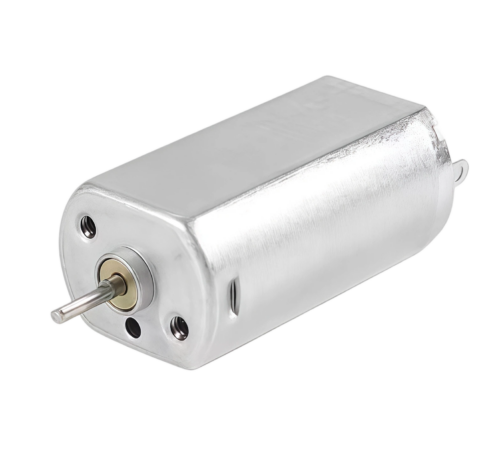
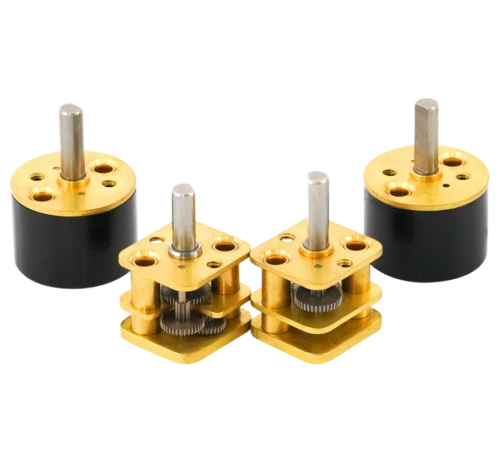
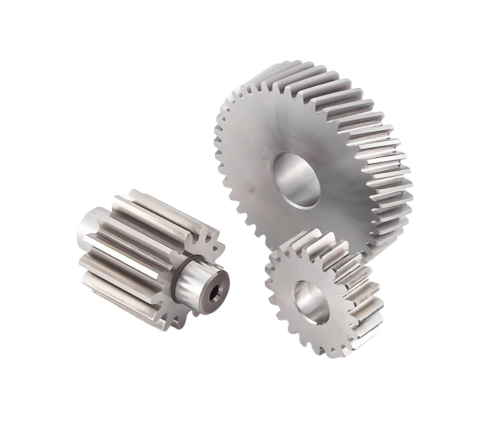
Worm Gear Motors
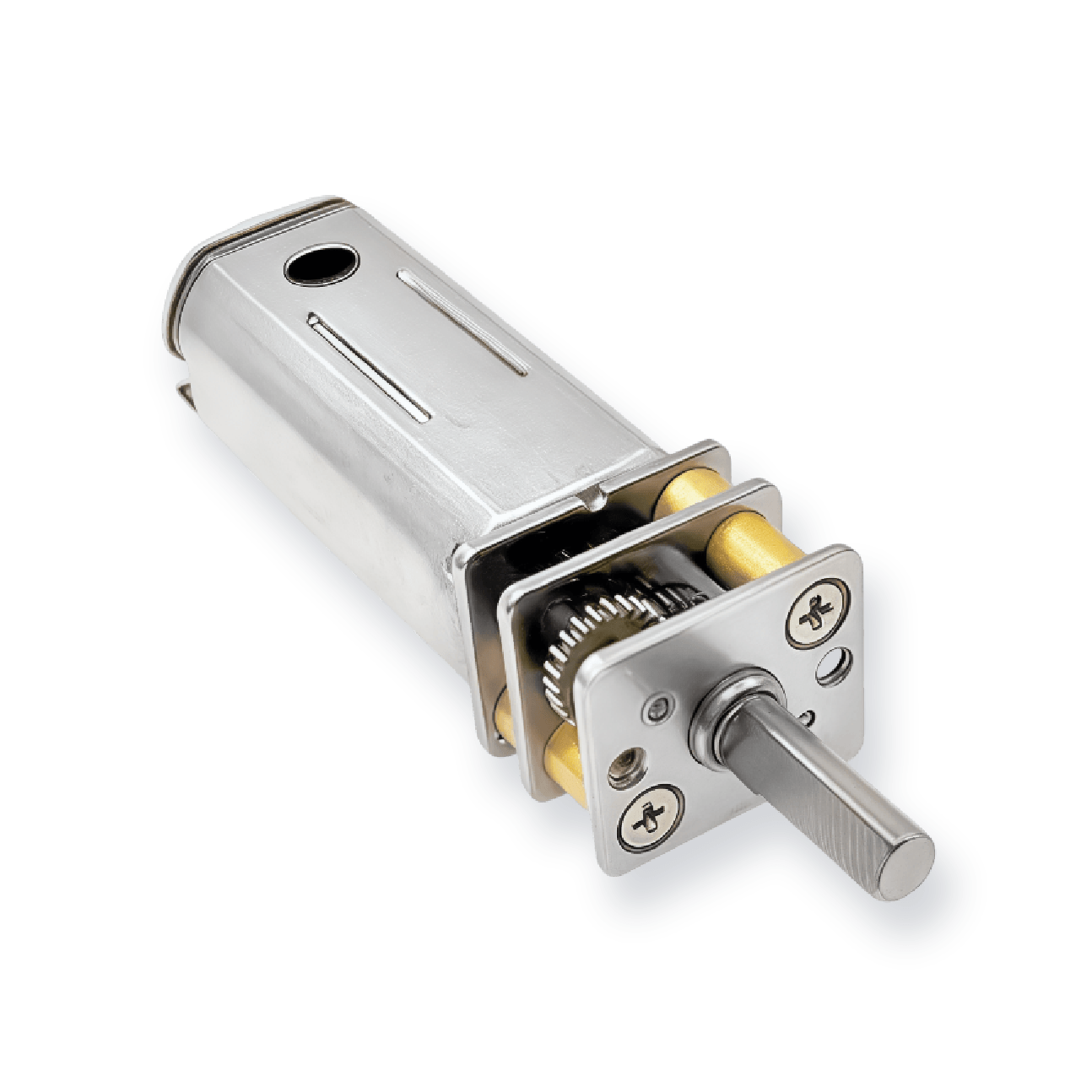
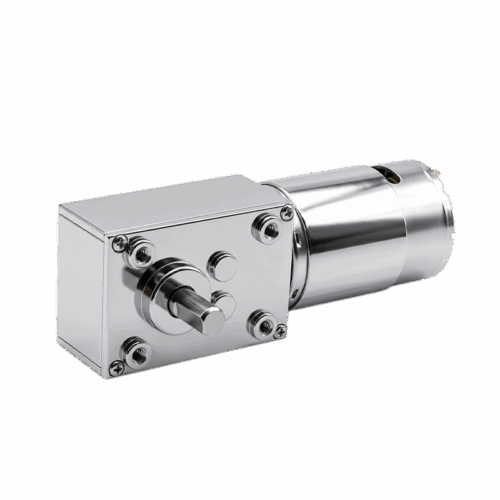
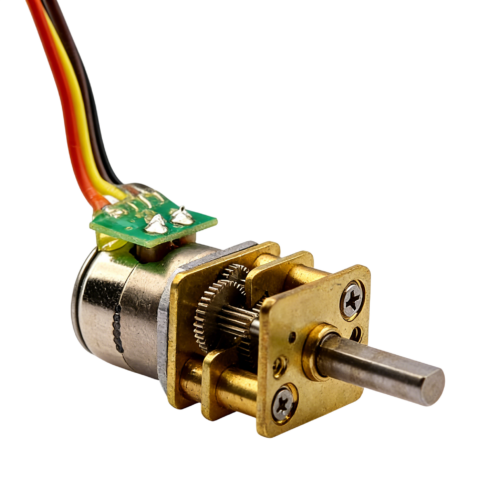
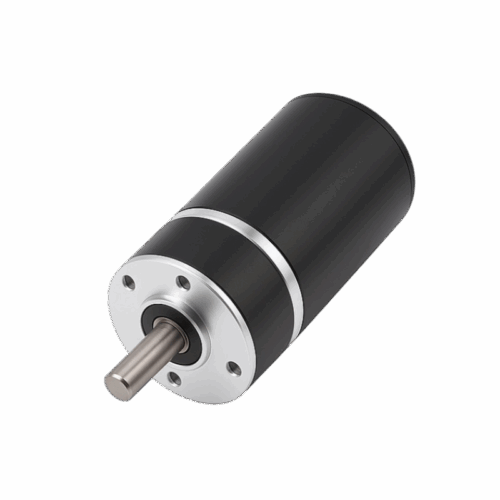
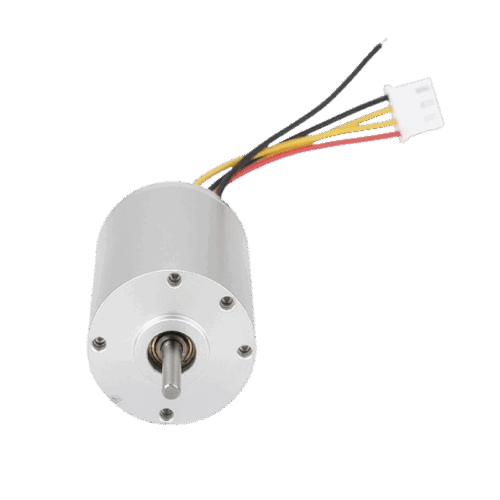
SLW builds worm gear motors — DC worm gear motors, brushless, coreless, and stepper variants from 8mm to 58mm — by matching a worm gearbox to the drive type your project already runs on.
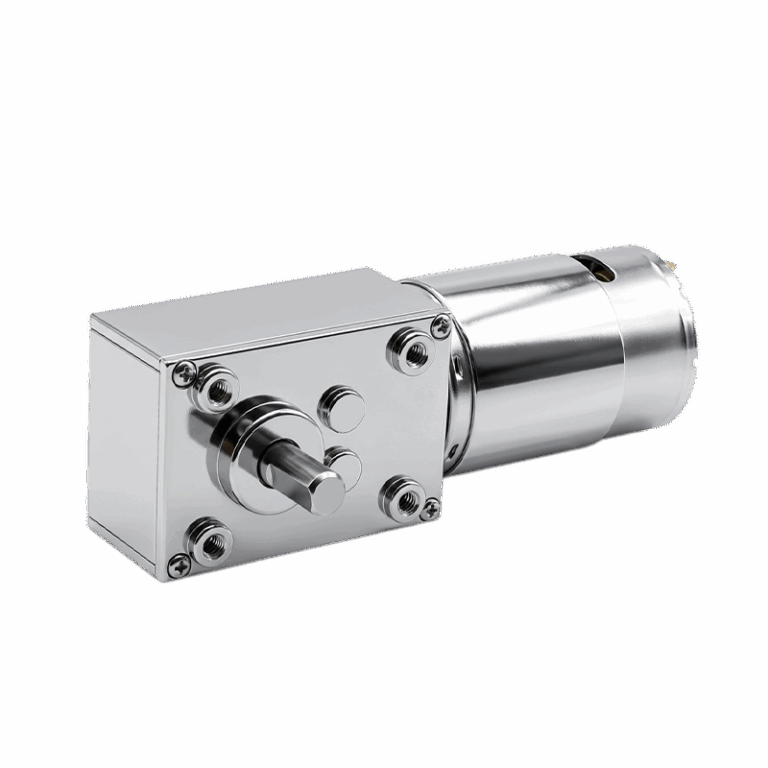



SLW builds worm gear motors — DC worm gear motors, brushless, coreless, and stepper variants from 8mm to 58mm — by matching a worm gearbox to the drive type your project already runs on.


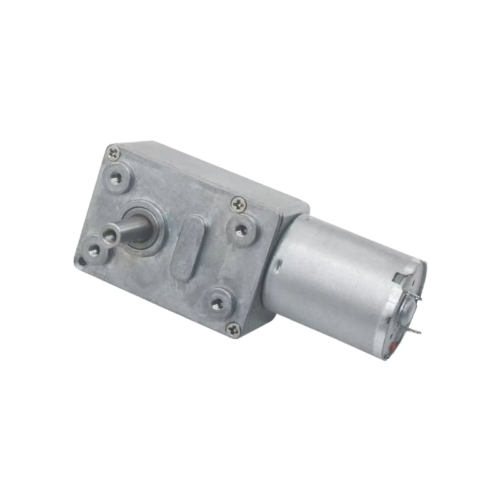
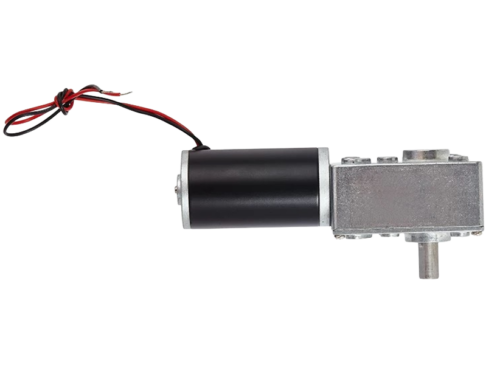


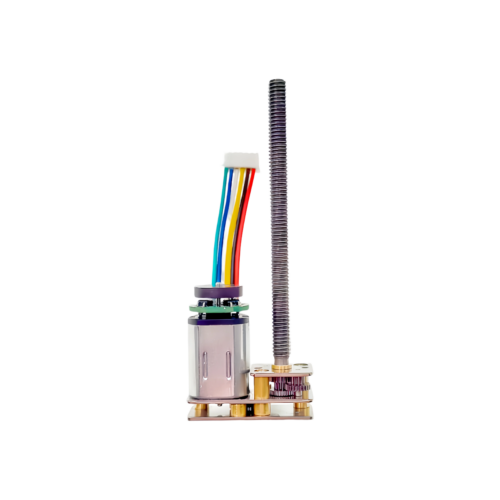
The table below lists our standard worm gear motor platforms, covering drive type, frame size, rated voltage, gear ratios, and rated output for quick engineering comparison.
| Model | Drive Type | Frame | Rated Voltage (applied range) | Ratios | Output (rated) |
|---|---|---|---|---|---|
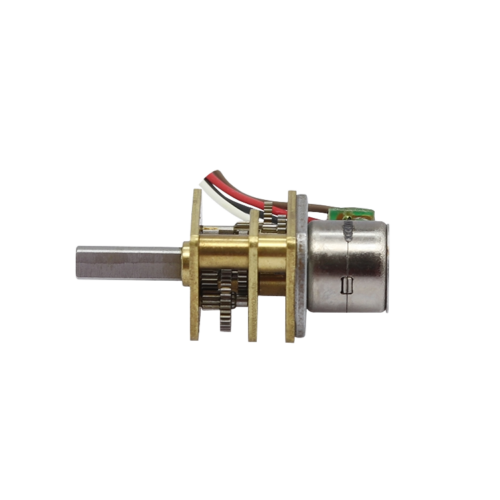
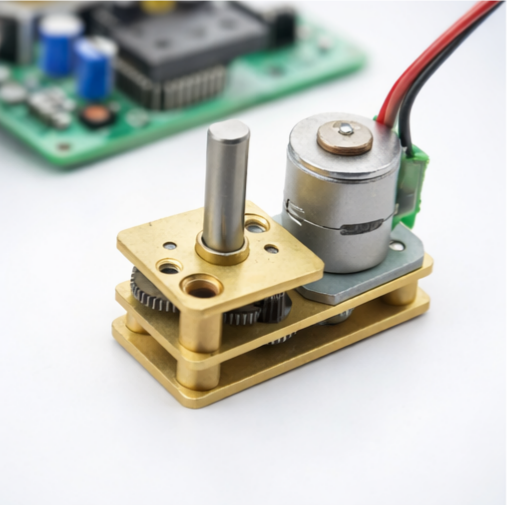
| 8mm stepper motor + worm gearbox | Stepper | 8mm | Low-voltage stepper drive | 42:1–230:1 | 1.5–150 rpm at 500 pps, step angle down to 0.078°, pull-in torque 249–1,056 g·cm |
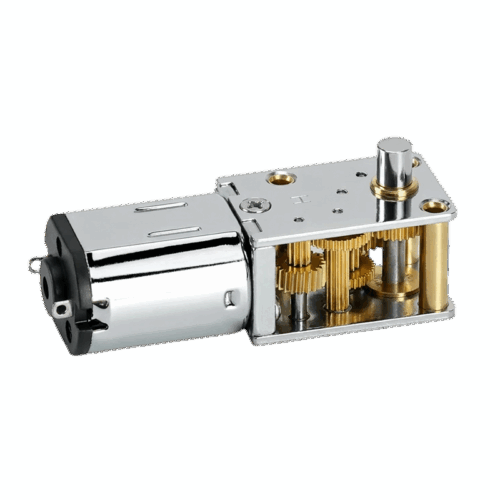
| 12mm brushed DC motor + 90° worm gearbox | Brushed DC | 12mm | 12V (6–24V) | 18:1–244:1+ | 66–900 rpm, 16–220 g·cm rated, up to 1,493 g·cm stall |
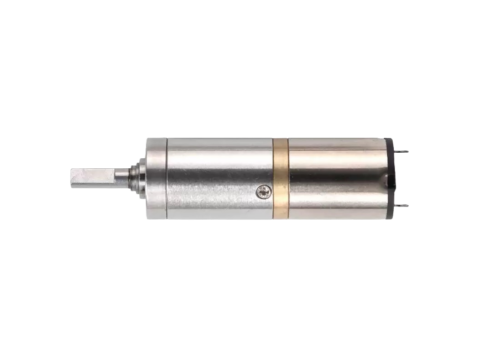
| 12mm coreless motor + worm gearbox (1220 / 1221) | Brushed coreless | 12mm | 12V (3–12V) | 18:1–244:1+ | Same ratio ladder as above with a low-inertia coreless rotor |
| 15mm stepper motor + worm gearbox | Stepper | 15mm | Low-voltage stepper drive | 42:1–230:1 | 1.5–150 rpm at 500 pps, pull-in torque up to 2,240 g·cm |
| 25mm 370 brushed motor + worm gearbox | Brushed DC | 25mm | 24V (6–24V) | 32.5:1–77.7:1+ | 62–145 rpm, 1–3 kg·cm rated, 3.5–7.5 kg·cm stall |
| 25mm brushed motor, dual-shaft worm gearbox | Brushed DC | 25mm | 12V | 32.5:1–77.7:1+ | 88–180 rpm, 1–3 kg·cm rated, two-directional output shaft |
| 31mm high-torque brushed motor + worm gearbox | Brushed DC | 31mm | 24V (6–24V) | 15.5:1–896:1 | 2–10 kg·cm rated at 101–410 rpm; stall torque up to 300 kg·cm at the highest ratios |
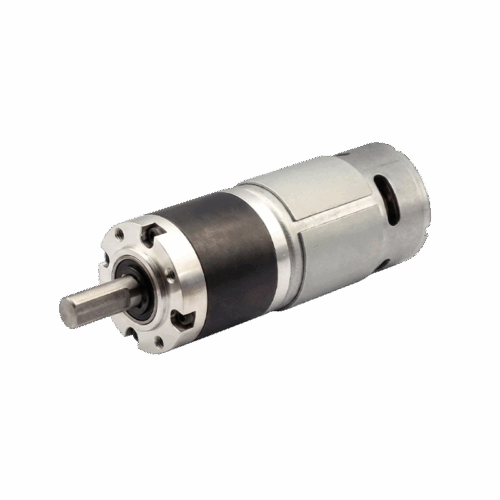
| 36mm 555 brushed motor + worm gearbox | Brushed DC | 36mm | 24V (6–24V) | 15.5:1–62:1+ | 116–502 rpm, 2.5–20 kg·cm rated, 29.6W |
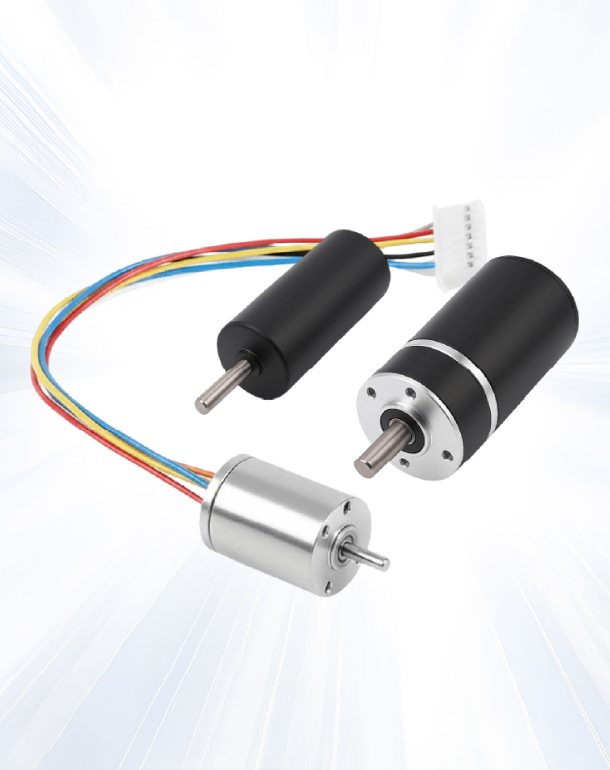
| 36mm BLDC motor + worm gearbox | Brushless DC | 36mm | 12V (6–24V) | 15.5:1–62:1+ | 105–432 rpm, 2.5–20 kg·cm rated, 25.6W |
| 58mm BLDC motor + 90° worm gearbox | Brushless DC | 58mm | 12V (6–48V) | 15.5:1–62:1+ | 105–432 rpm, 2.5–20 kg·cm rated, 90° output |
| 18mm worm gearbox reducer (no motor) | Gearbox only | 18×12×10mm | — | 42:1–2025:1 | 300–400 g·cm rated, single or dual output shaft |
| 24mm worm gearbox reducer (no motor) | Gearbox only | 24×12×9mm | — | 26:1–1000:1 | 200–500 g·cm rated |
Figures are datasheet values at the listed rated voltage; custom ratios, voltages, and shafts are quoted on request. The 31mm and 36mm builds also appear in the high torque DC motors range, and every 90° unit in the right angle gear motors range.

The worm stage is the most compact way to build a right angle gear motor, fitting enclosures where a straight-through drive would need more room.

The worm gear motor holds position under normal loads without needing a separate brake.

One gearbox stage replaces a longer parallel-shaft reduction, keeping the worm gear motor housing compact.

Encoders, PCB soldering, and wire harness assembly can be built onto the assembly, adding value to the worm gear motor.
Voltage, shaft, and housing material stay open to change, so the worm gear motor can be tailored to your design.
Choose brushed DC for the lowest-cost entry point, coreless for faster response, brushless for longer life, stepper for positioning, or a standalone gearbox.
Pick a voltage, ratio, and shaft length; 12mm to 36mm frames scale the same 90° worm gear motor layout.
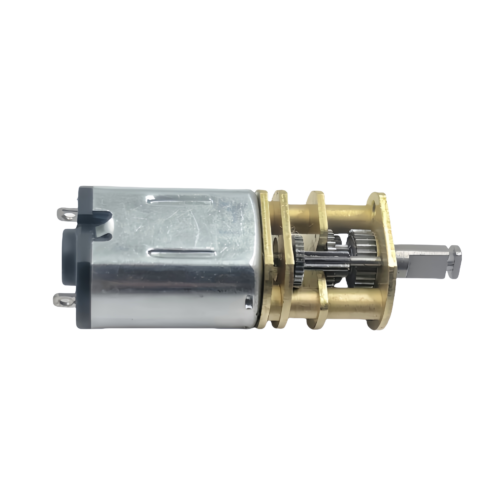
A coreless rotor cuts inertia for faster start/stop response and finer low-speed control in a 12mm frame.
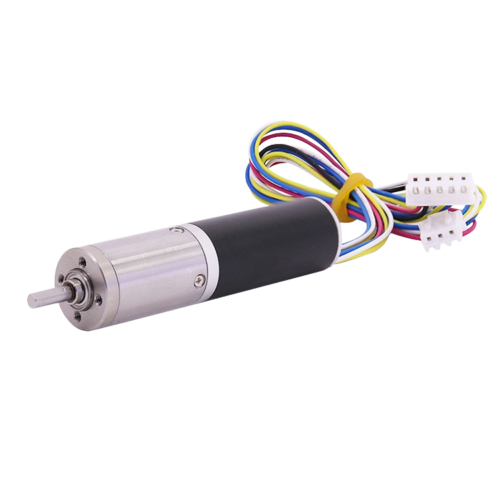
Brushless drives trade brush wear for longer service life and steadier torque across higher duty cycles.
Stepper drives add open-loop positioning to a self-locking output, pairing a stepper with a worm gearbox.
Standalone worm gearbox reducers ship for pairing with your own motor, alongside spur or planetary equivalents.
More configurations in this category include the 25mm dual-shaft, the 12mm coreless parallel-shaft, and the 12mm M4 screw-shaft worm gear motor with encoder. brushed DC motors coreless DC motors brushless DC motors stepper gear motors Mini Gearbox
Tailor a worm gear motor to your control electronics, mounting, and environment, then request a custom worm gear motor quote when a standard build will not do.
Winding and voltage are matched to your control electronics so the motor runs correctly on your existing drive.
Choose a single or dual output shaft, custom length, flats, or a screw-drive end to suit your mechanism.
Housings and gearing can use brass, stainless steel, powder-metallurgy alloys, or engineering plastics.
PTFE or PVC leads are available with application-specific connectors to match your installation.
An integrated encoder supports closed-loop position or speed feedback in your control system.
Quiet-running, long-life versions suit enclosed or wearable equipment where noise and wear matter.
Need a non-standard ratio, shaft, or voltage? Request a custom worm gear motor quote and we will match a worm gear motor to your application.
Every build runs through incoming inspection, in-process testing, and final verification for dimensional and performance consistency, so each worm gear motor meets the same standard.
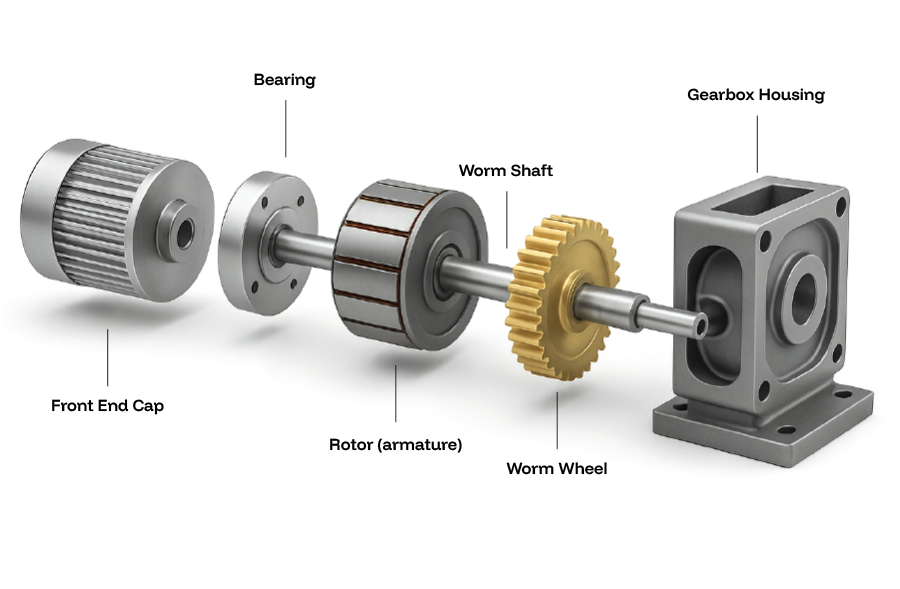
A worm gear motor suits applications where right-angle output and self-locking are useful, including robotics and automation systems. Our worm gear motor pros and cons guide explains the trade-offs, while worm gear motor self-locking and holding force covers holding-force considerations.
The right-angle output and self-locking behavior suit robotic and automation assemblies that need compact, controlled motion.
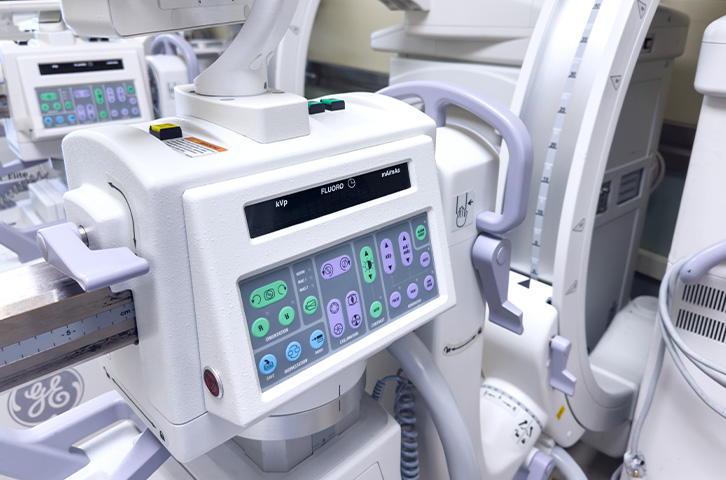
Explore Robotics & Automation ApplicationsAdjustable medical positioning fixtures can use a worm gear motor to hold position without continuous power, as in medical equipment designs.
Self-locking output keeps fixtures steady once positioned, so the drive does not need power to stay put.
Explore Medical Equipment ApplicationsAccess control hardware and surveillance systems can use worm gear motors for right-angle, self-locking output.
Holding position without continuous power makes the worm drive a potential fit for access and surveillance equipment.
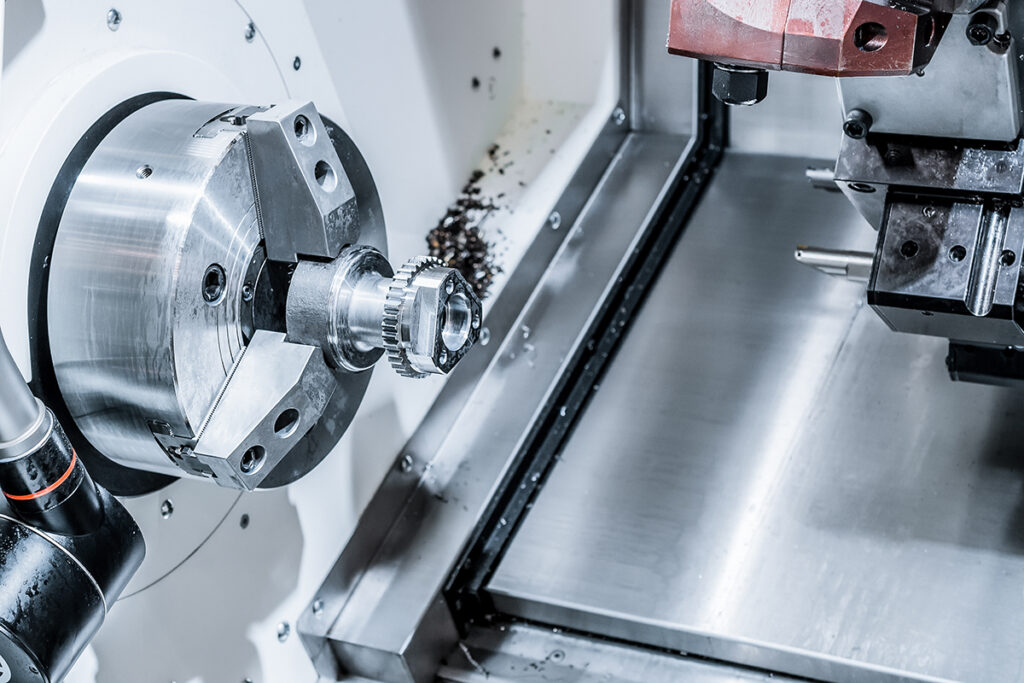
Explore Surveillance & Access Control ApplicationsWorm-driven assemblies are used in industrial machinery and lifting and material handling equipment.
Worm reduction trades speed and efficiency for self-locking, right-angle output. See how the options compare in this guide to compact worm, spur, and planetary drivetrains.
Explore Industrial Machinery Applications

SLW Motor engineers worm gear motors as OEM/ODM assemblies, from prototype through flexible sample customization and stable bulk delivery, across brushed, brushless, coreless, and stepper drives.
To move forward, get a custom worm gear motor quote and share your ratio, voltage, and shaft requirements with our team.
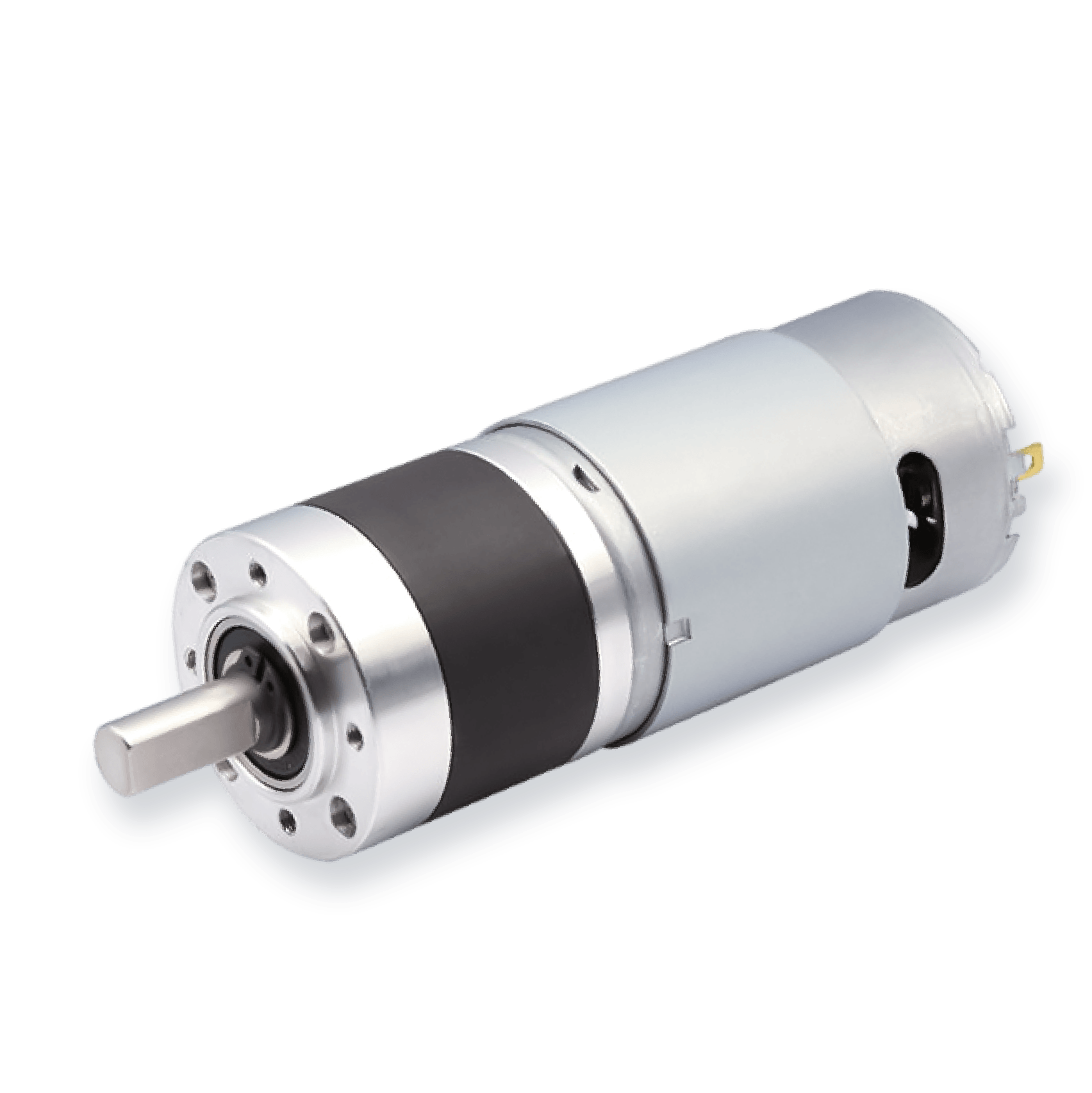
A planetary gear motor is the straight-through alternative when your build doesn't need to hold position without power.
It replaces a worm stage with a compact, in-line drivetrain for builds that don't need self-locking.
A spur gear motor is the other straight-through alternative to a worm stage for builds without holding needs.
Choose it when you want a simple, in-line drivetrain instead of a self-locking worm stage.
The 12mm Brushed Coreless Motor with Planetary Gearbox suits compact, budget-sensitive builds.
It pairs a brushed coreless motor with a planetary gearbox for a ready-made, straight-through drivetrain.
The 16mm brushless coreless motor with planetary gearbox is built for higher-duty-cycle runs.
It pairs a brushless coreless motor with a planetary gearbox for longer, more demanding duty cycles.
Answers on MOQ, lead times, samples, encoder integration, and tooling for a custom worm gear motor.
Tell us your project or application requirements, and our team will get back to you with technical support, product recommendations, or a customized motor solution.