
DC Motors for Robotics & Automation

A dc motor for robotics must fit inside a joint, gripper, or wheel hub and hold a stable torque-speed curve over millions of duty cycles without drifting from unit to unit. SLW Motor designs and manufactures coreless, brushed, and brushless DC motors alongside planetary, spur, worm, and stepper gear motors.
Get a Quote
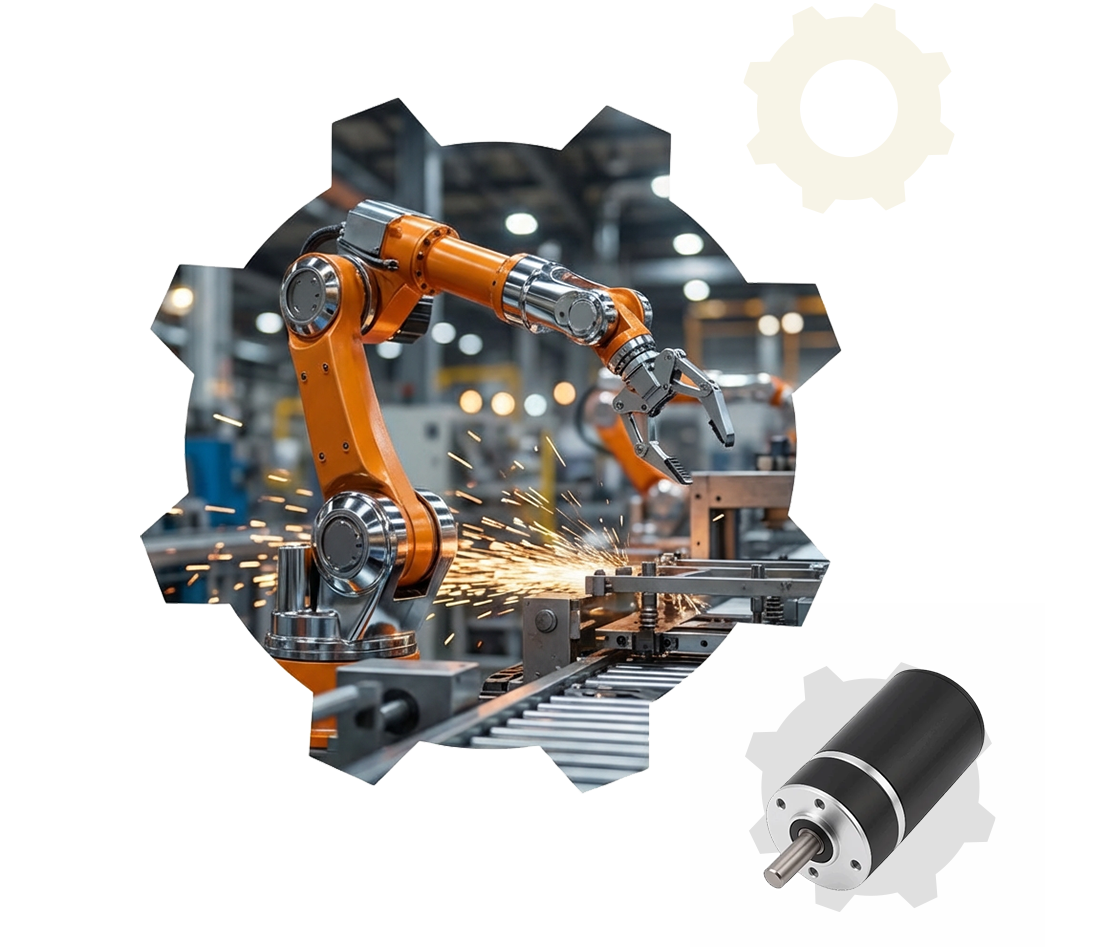
DC Motors for Robotics & Automation Featured Image
Subsystem Fit

Motors for Every Robotic Subsystem

Robotic arms, mobile bases, grippers, and gimbals each load a motor differently, so the right drive train for one subsystem is usually wrong for another — see when coreless DC motors are worth the extra cost, how to spec a micro gear motor for a robot joint, BLDC motors with encoder, our brushed vs brushless DC motors buyer's framework, and a motor for robotics matched to each subsystem.

Robotic SubsystemRecommended Motor FamilyWhy It Fits
Arms & jointsPlanetary gear motor (brushed or coreless core)High torque density in a small envelope; low backlash for positioning
Mobile robot / AMR wheel driveBrushless DC (BLDC) motorRuns continuously with less heat and wear than a brushed motor at the same duty
Grippers & end-effectorsCoreless or brushed micro motor + gearboxLow rotor inertia for fast start/stop without overshoot
Gimbals & precision positioningWorm gear motor or stepper gear motorSelf-locking hold (worm) or open-loop indexed steps (stepper)

A robotics gear motor with planetary reduction suits arm joints, Brushless DC Motors run continuously with less heat and wear for wheel drive, and coreless micro motors give grippers fast start/stop.

Positioning

Precision Positioning

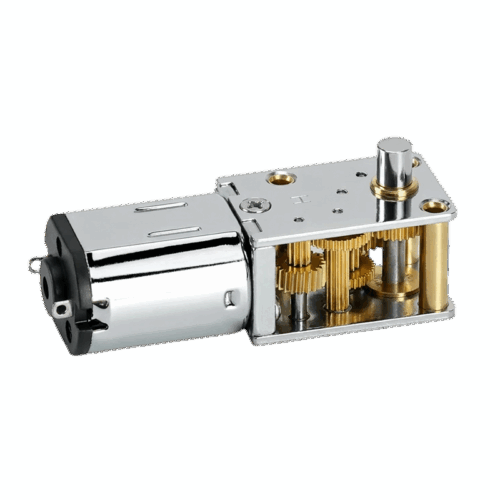
Worm gear motors with self-locking action hold gimbal and tilt mechanisms in place without continuous power.

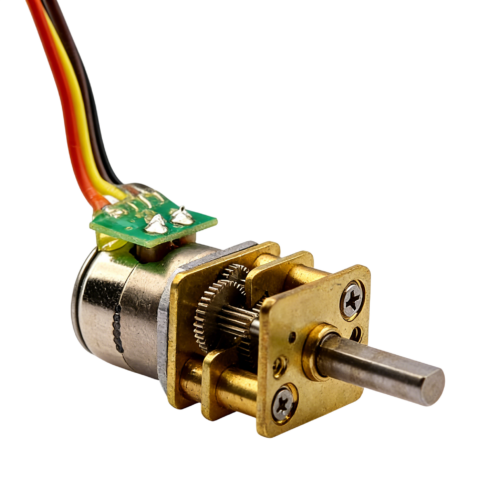
Stepper gear motors give indexed-step positioning for pan-tilt heads and sensor alignment modules.

  • Self-locking: Worm Gear Motors for gimbal and tilt mechanisms
  • Holding force: how much load a given worm ratio holds statically before slipping
  • Indexed steps: Stepper Gear Motors for pan-tilt and sensor alignment
  • Positioning choice: open-loop stepper indexing versus closed-loop BLDC-plus-encoder positioning
  • Self-Locking

    Worm gear motors hold gimbal and tilt mechanisms in position without continuous power.

  • Holding Force

    Check holding force in our holding force.

  • Indexed Steps

    Stepper gear motors drive indexed-step positioning for pan-tilt heads and sensor alignment modules.

  • Motor Choice

    Compare both in our BLDC encoder guide.

Sourcing

Manufacturer vs. Retailer

A manufacturer builds to the actual requirement, with encoder integration, PCB soldering, and wire harness assembly done at the factory.

A manufacturer builds to the actual requirement, with encoder integration and inspection on every batch, so most robotics programs use retail parts early, then a manufacturer-sourced dc motor for robotics production.

Options

Gearbox Range

Every subsystem above draws from the same underlying product families, organized by drive type rather than by application.

  • Gearboxes: Standalone gearboxes for teams with a motor already selected.
  • Reduction options: Spur, planetary, or worm options with custom ratios, shafts, and housings.
  • Mini Gearboxes: Spur, planetary, or worm options with custom ratios, shafts, and housings. Mini Gearboxes
  • Matched stage: A matched reduction stage for an existing motor.
  • Drive type: Families organized by drive type, not application.
Product Range

Full DC Motor and Gearbox Product Range

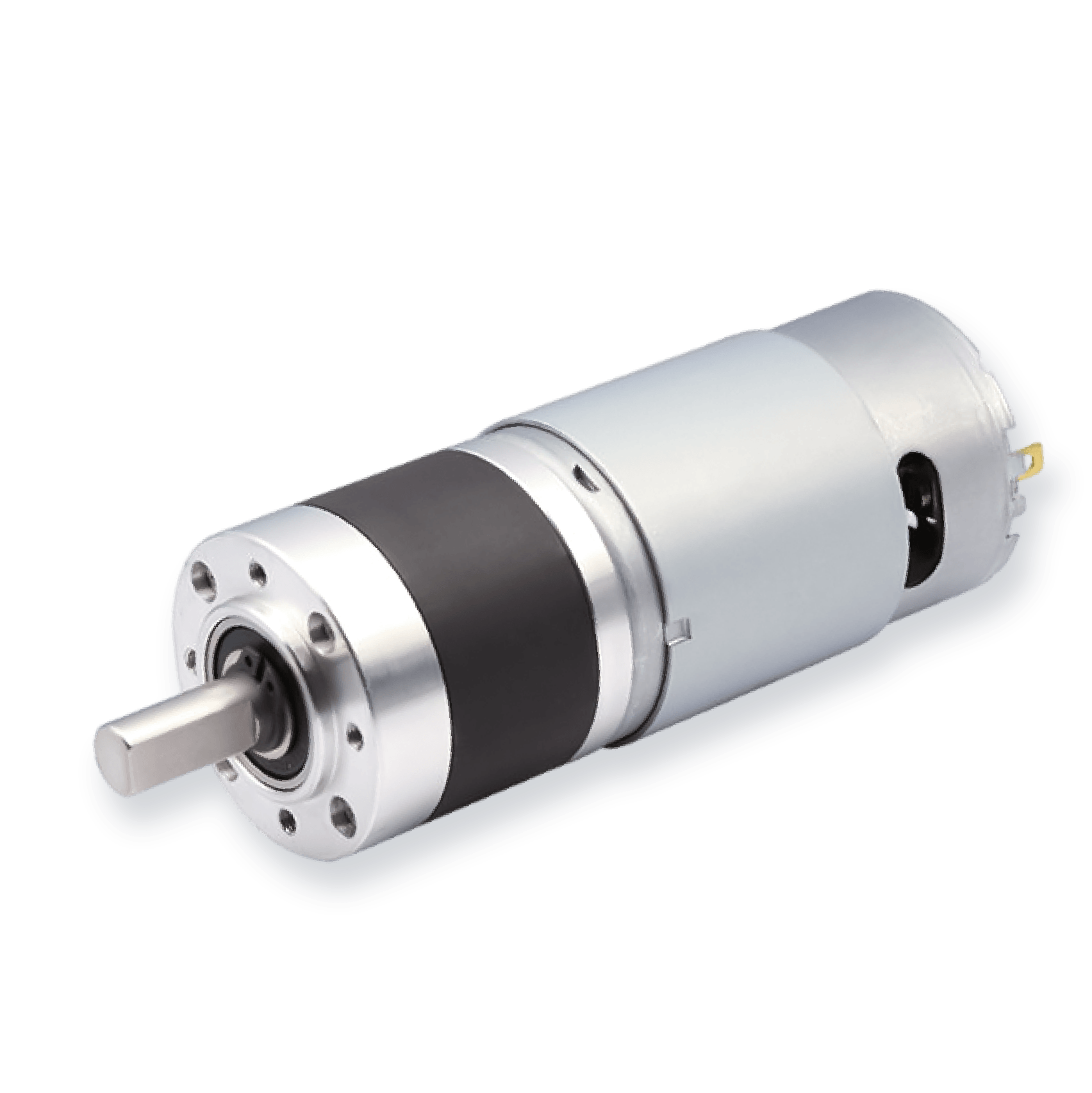
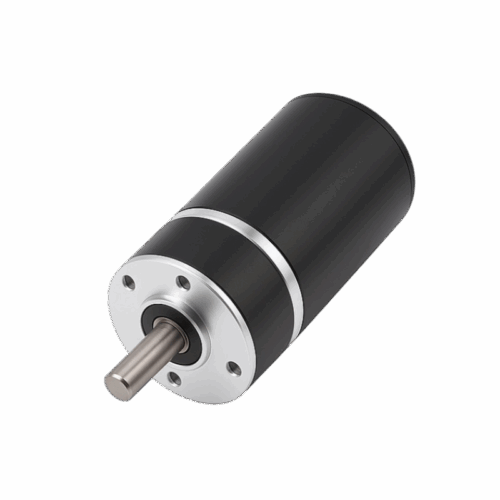
Planetary Gear Motors

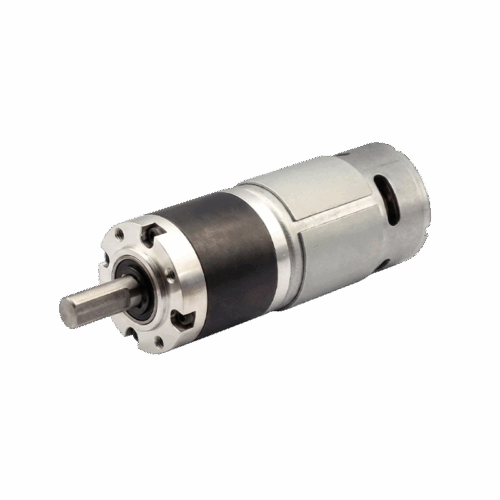
Planetary builds deliver high torque density for joints, arm segments, and lifting modules.

The highest-torque builds are grouped under high torque DC motors for demanding robotic axes.

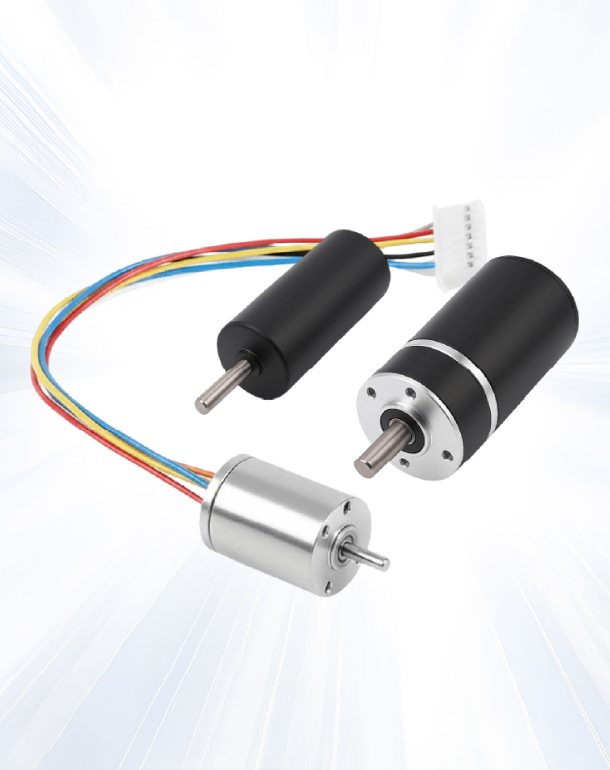
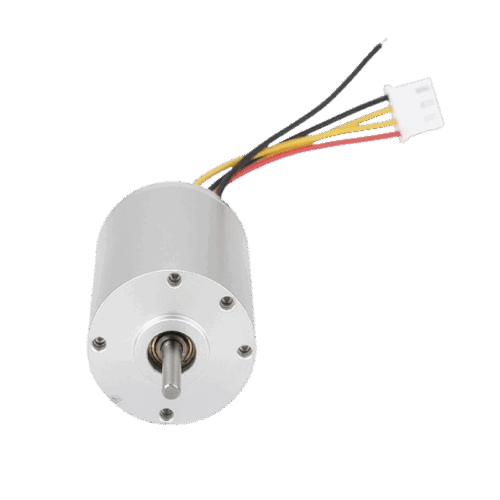
Brushless DC Motors

Brushless DC motors give continuous-duty efficiency for wheels, fans, and pumps.

They suit robotic subsystems that run for long periods without overheating or losing efficiency.

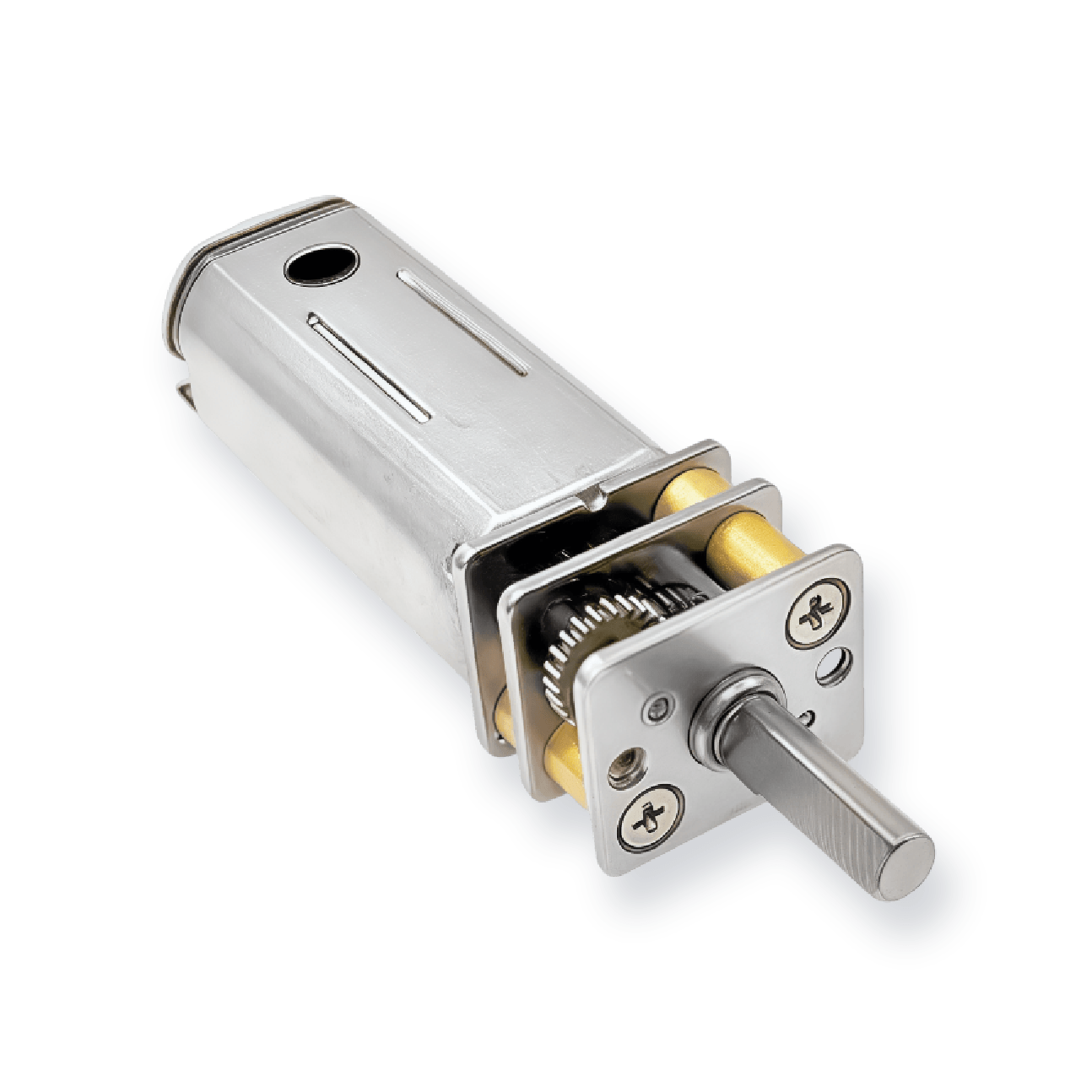
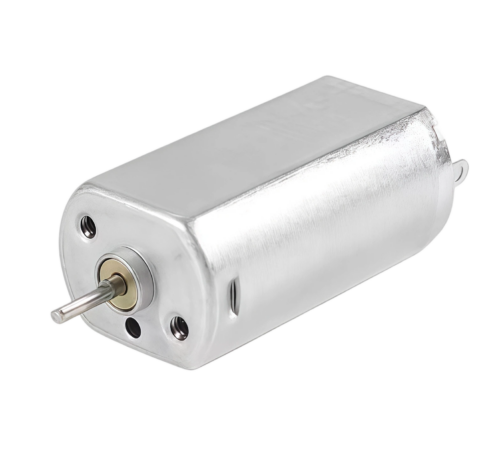
Coreless DC Motors

Coreless DC motors offer low-inertia response for grippers and micro-actuators.

Their fast response makes them a good fit for precise, quick robotic movements.

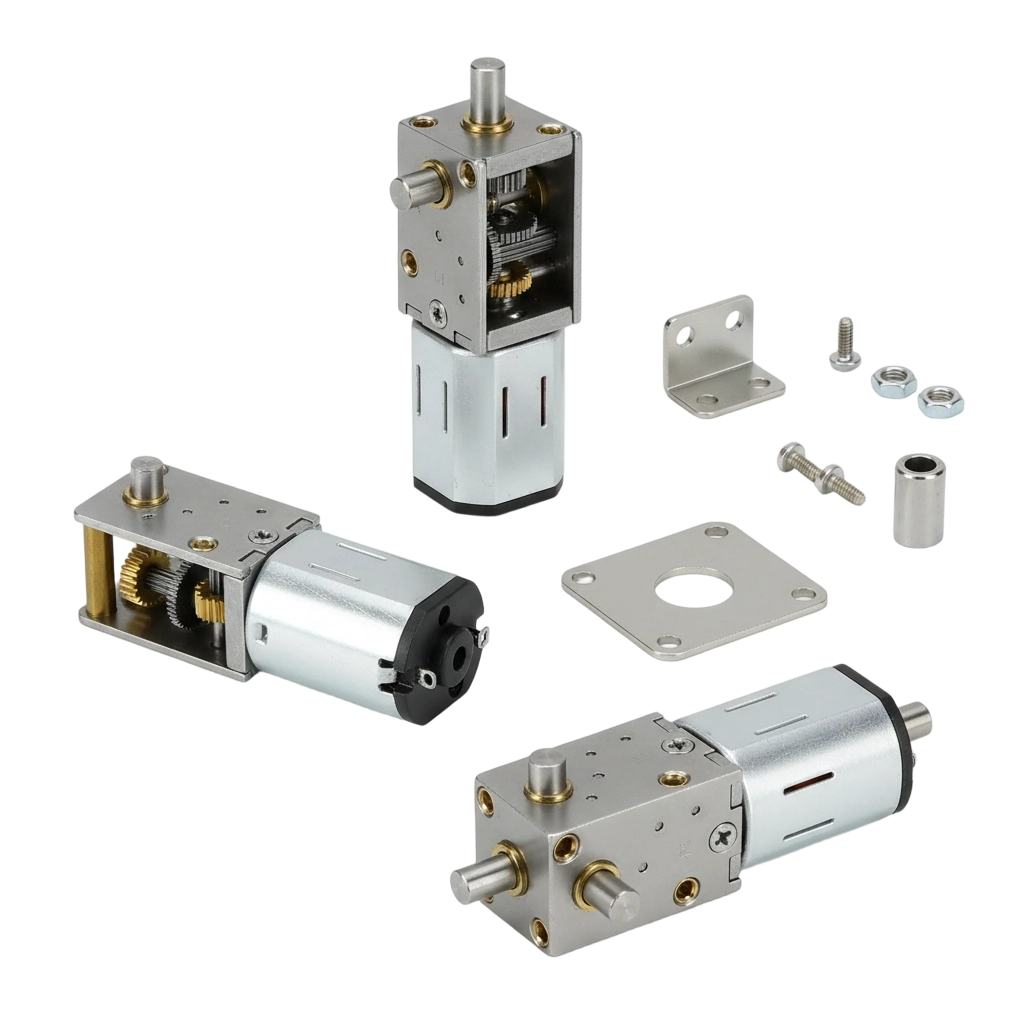
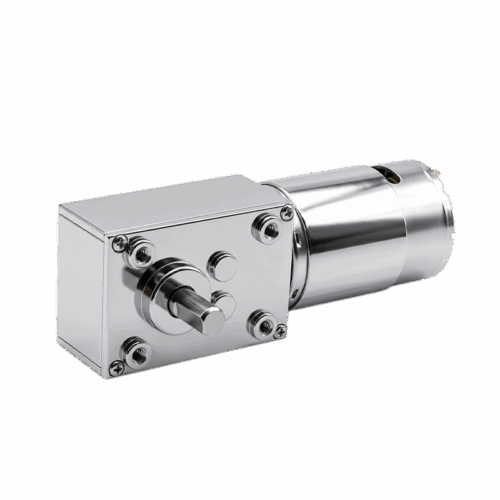
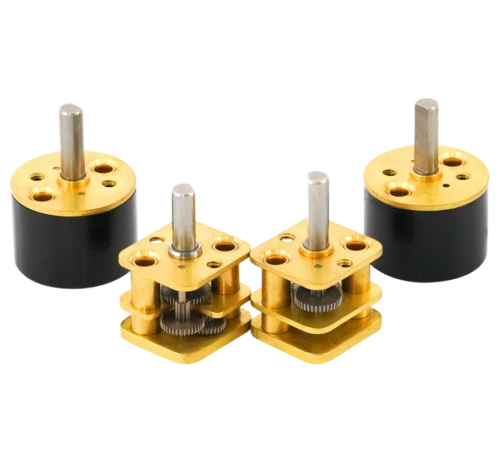
Worm Gear Motors

Worm gearboxes provide self-locking reduction for tilt mechanisms and holding loads.

The self-locking behavior keeps loads held in place without continuous motor power.

Stepper Gear Motors

Stepper motors deliver indexed positioning for pick-and-place and sensor alignment.

Indexed positioning supports repeatable placement tasks in automated robotic cells.

Spur Gear Motors

Spur gear motors handle light-load reduction for feeding mechanisms and auxiliary actuators.

They are a simple, cost-effective choice for lighter robotic duties.

Robotics Motor Selection

Specifications That Matter for Robotics Applications

Selecting a DC motor for a robot requires the available voltage, motor speed, geared output torque, driver current capacity, duty cycle, and feedback method to work together. Frame size alone is not enough because different windings and supply voltages can produce very different performance from the same motor platform.

  • Sizing a DC Motor for Your Robot

    The 20mm SLW-FF180-17140 operates at 6V with a 7,074 rpm no-load speed and 5,869 rpm at maximum efficiency. The SLW-FF180-11310 uses the same frame at 24V, reaching 11,562 rpm no-load and 9,759 rpm at maximum efficiency.

  • Torque, Current & Gear Reduction

    The 6V FF180 version provides 22.5 g·cm maximum-output torque and up to 131.8 g·cm stall torque, while the 24V version reaches 36.7 g·cm and up to 235.6 g·cm respectively. Check the required load, driver current limit, and gearbox ratio together using this motor torque and speed specification guide.

  • Duty Cycle & Thermal Considerations

    A gripper with short operating cycles can tolerate brief current peaks, while an AMR wheel motor needs a continuous rating that remains stable throughout a shift. Review common micro gear motor overheating causes and fixes and the operating practices that help extend DC gear motor service life.

  • Encoder & Feedback Options

    Closed-loop joints and wheel drives can use a compact 12mm N20 gear motor with encoder or larger BLDC motors with encoder feedback. Compare incremental, absolute, and Hall feedback in the encoder motor selection guide, or choose sensorless brushless motors for non-position-critical fans and pumps.

  • Linear Motion & Larger BLDC Platforms

    For lift, push, and positioning mechanisms, use the linear actuator torque and gear ratio calculation to convert rotary output into linear force and travel. SLW also supplies complete linear actuator motors, while larger BLDC platforms extend beyond 60mm and up to 48V for applications such as AMR wheel drives.

Send us your robot’s load, voltage, target speed, available space, duty cycle, and feedback requirements. We will match the motor frame, winding, gearbox, and encoder configuration to the application.

Why Customize

Customization & Engineering Support

Catalog motors rarely land on a stock configuration, so SLW customizes torque, speed, voltage, and power around the real duty cycle, and pairs planetary, spur, or worm gearboxes to each mechanism — see Planetary vs Spur vs Worm Gearboxes Compared and Custom Gearbox vs Standard Motor: How to Decide.

Materials, encoder integration, and harness assembly follow the same logic, so a DC motor for robotics arrives ready for the platform; newcomers can start with DC Motor Types: Complete Guide and Dc Electric Motor Explained: The Complete Guide.

Overview

Quality & Certifications

SLW Motor runs a 2,400 m² factory with 56+ staff and 15+ years of manufacturing and R&D experience, including projects for Japanese manufacturing customers with tight dimensional and process-control expectations.

Every order passes incoming inspection, in-process testing, and final verification, supporting consistent dimensional and performance accuracy across a production batch rather than a first-sample match that drifts by unit 200.

  • ISO 9001:2015: Certification on file
  • RoHS: Compliance reporting available
  • Halogen-Free: Test report on file
  • EPR: Registration on file
  • Patent: Certificate covering planetary gear motor design
Trusted

Trusted by Robotics & Automation Engineers

  • Medical devices & automation

    SLW Motor supplies engineering teams across medical devices, automation, smart devices, robotics, and precision equipment — industries that share a low tolerance for part-to-part variation even at small production volumes.

  • Robotics & smart devices

    Teams building robotics and smart devices rely on the same engineering support, with consistent performance across small production volumes.

  • Precision equipment

    Precision equipment customers work directly with the engineering team on custom builds, where stability and accuracy matter most.

  • Custom builds

    David Turner, an Automation Engineer at TechMotion Systems, said SLW Motor delivered a perfectly customized micro gear motor for their automation project, and its performance and stability exceeded expectations.

Process

From Prototype to Bulk Production

Robotics programs move from a hand-built prototype to a pilot batch to stable production volume, and the spec often shifts at each stage as testing reveals what needs to change.

  • Prototype

    Early builds start from a close-fit standard part, such as a stock 12mm coreless gripper motor, with flexible design and small-batch customization.

  • Customize

    Teams customize only the dimension the application requires, whether a longer shaft, a tighter gear ratio, or an added encoder.

  • Pilot Batch

    Inquiries get prompt replies and fast quotation feedback, resolving most back-and-forth on a custom robotics spec before a sample is built.

  • Inspection

    The same inspection controls carry the program into stable bulk delivery.

  • Bulk Production

    Once a design is locked, delivery stays stable without switching suppliers, tooling, or documentation mid-program.

Both catalog configurations and fully custom-engineered motors are available side by side, so you can Request Custom Specs and start from a close-fit standard part before customizing.

FAQ

FAQ

Answers on pricing, customization, encoders, certifications, and prototype batches for robotics motors.

What drives the price of a robotics DC motor?
Price depends on voltage, torque rating, gear ratio, encoder inclusion, and order volume rather than speed alone, so no single figure applies across suppliers or frame sizes.
Can SLW customize a motor for a robot joint?
Yes — torque, speed, voltage, gear ratio, housing material, and shaft configuration can all be tailored to a specific subsystem rather than sold as a fixed catalog part.
Do SLW motors come with encoders for closed-loop control?
Encoder integration is available as a built-in option on brushed, coreless, and brushless product lines, along with PCB soldering and wire harness assembly.
What quality certifications does SLW Motor hold?
SLW Motor holds ISO 9001:2015 certification along with RoHS compliance reporting and a Halogen-Free test report, backed by incoming, in-process, and final inspection.
Can SLW supply small prototype batches before bulk production?
Yes — the OEM/ODM model supports flexible sample customization for early-stage builds, then carries the same production controls into stable bulk delivery once a design is finalized. To discuss your configuration, get a quote.
Get Started

Accelerate Your Project with Precision Motors