
Low Voltage DC Motors

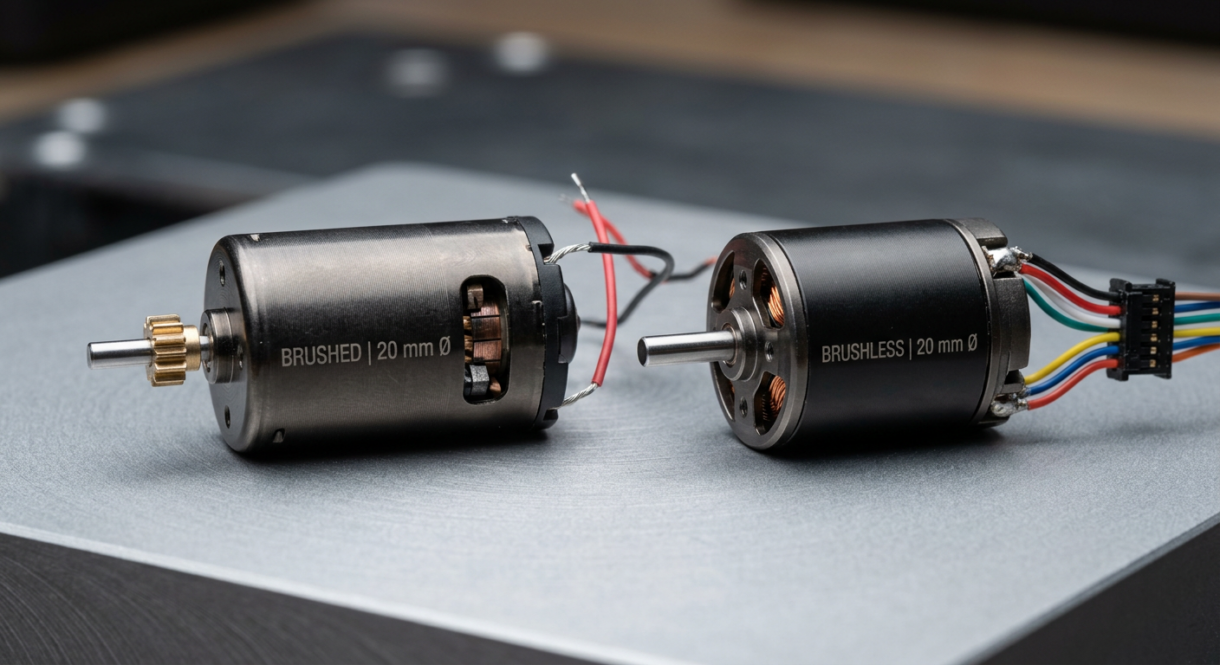
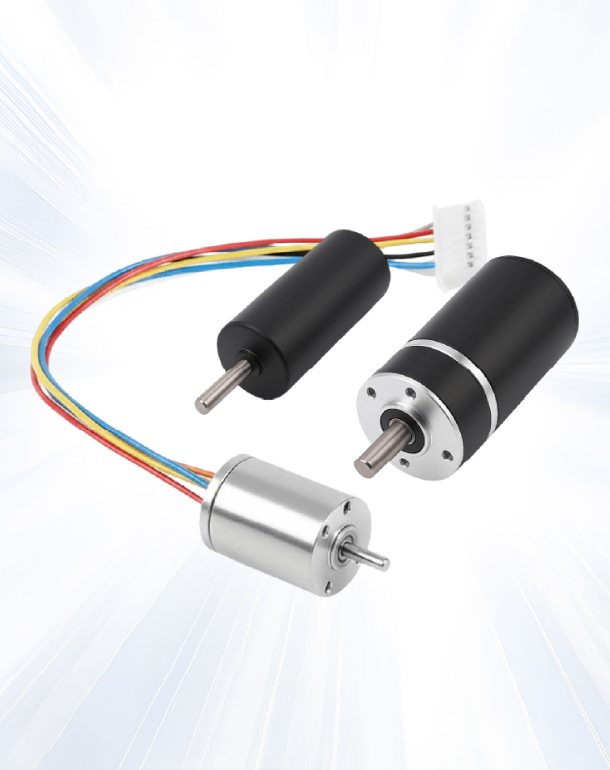
A low voltage DC motor, as SLW Motor builds it, runs on 3V–24V from a battery pack or a low-voltage DC bus — not the 220V–1000V "low voltage" that industrial line-connected drives use. If you're specifying a motor for a handheld device, a battery-powered instrument, or a 12V/24V control system, this is the voltage class you're in, and SLW supplies it across brushed, brushless, coreless, and geared motor families rather than as a single product line.
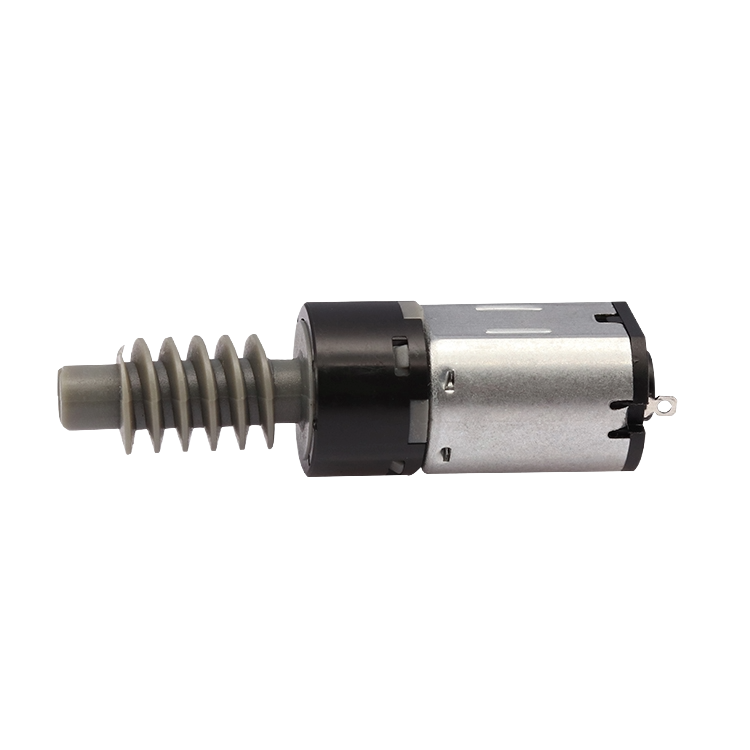
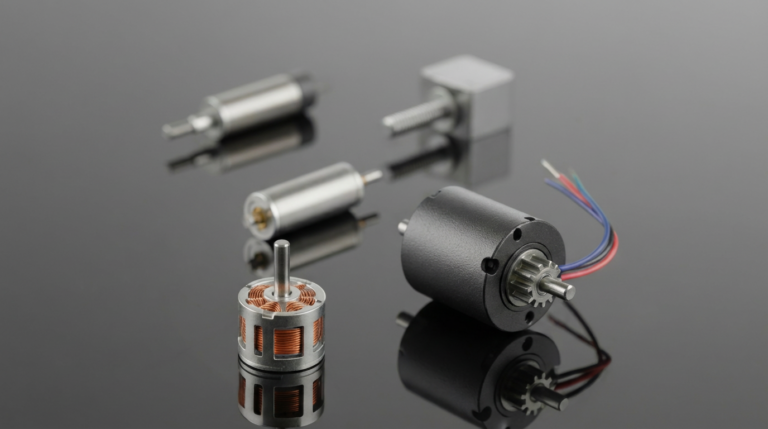
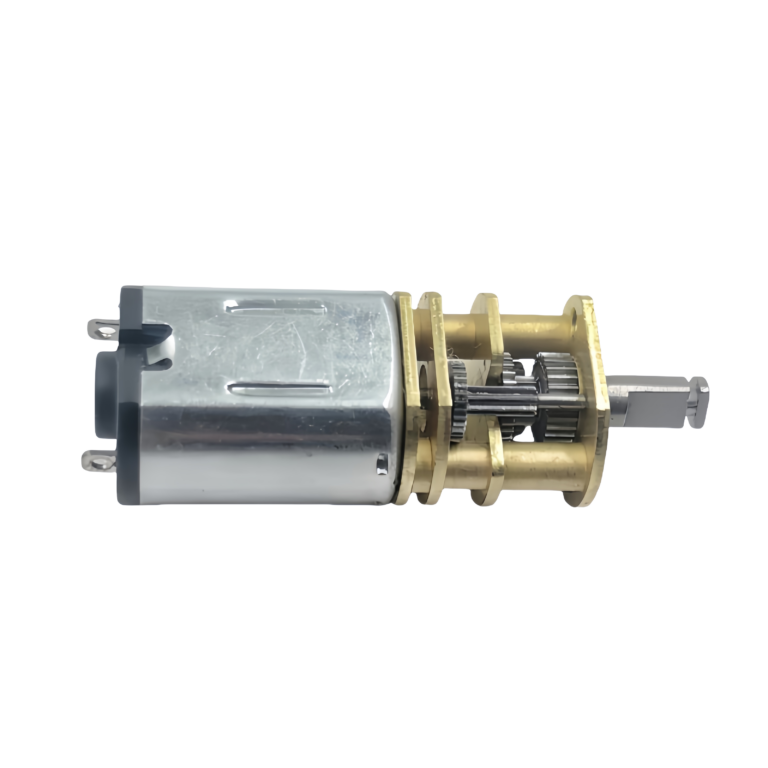
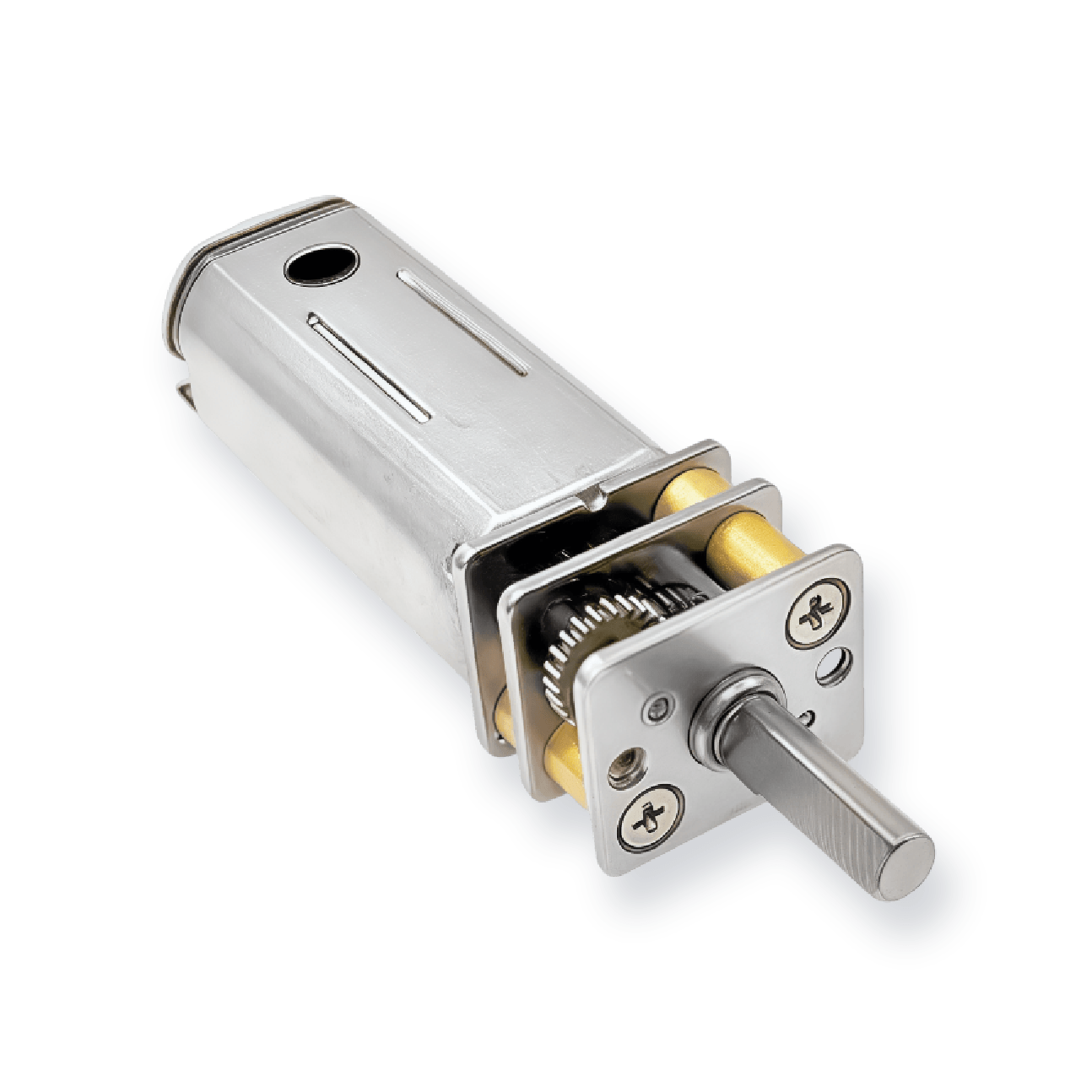
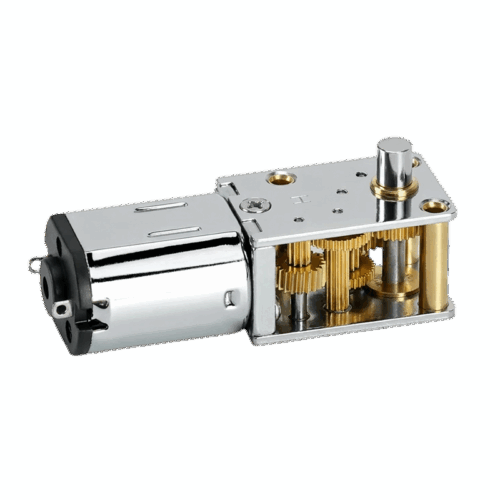
12mm micro brushed motor with plastic gearbox for low-voltage drives
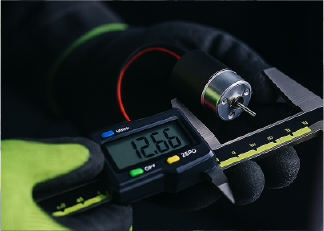
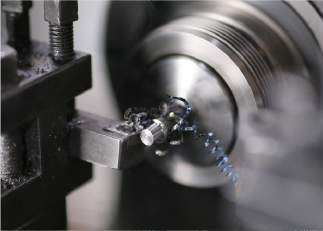
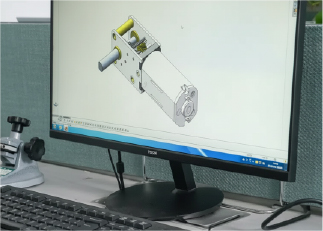
A Closer Look

Why Source Low Voltage DC Motors from SLW Motor

Built Around 3V–24V

A 12V DC motor sits in the middle of that band and is the most common single voltage buyers ask for, balancing torque, current draw, and battery-pack simplicity.

Key Benefits

  • Most-requested voltage: a 12V DC motor balances torque, current draw, and battery-pack simplicity
  • Every motor technology: brushed, coreless, and brushless offered in low-voltage configurations
  • Tested at every stage: before shipping
Configurations

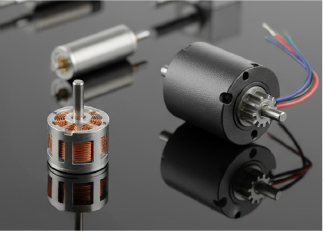
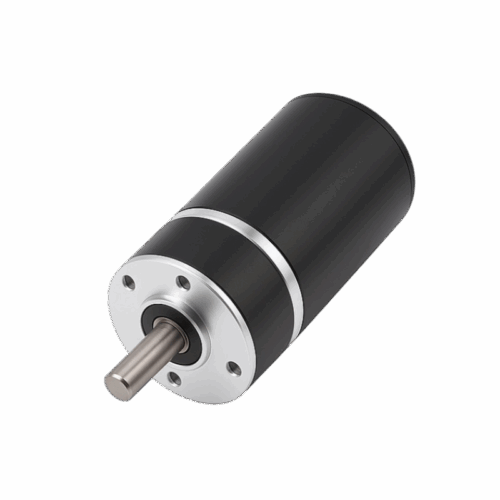
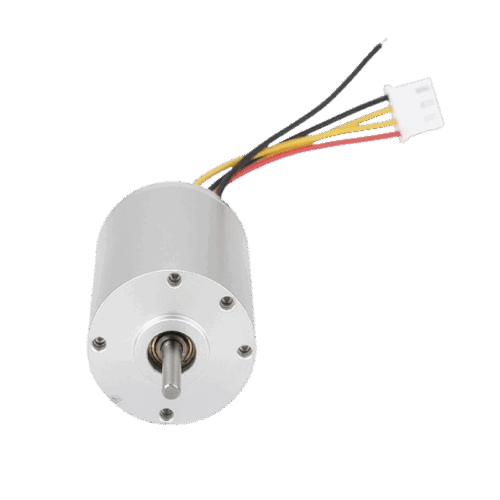
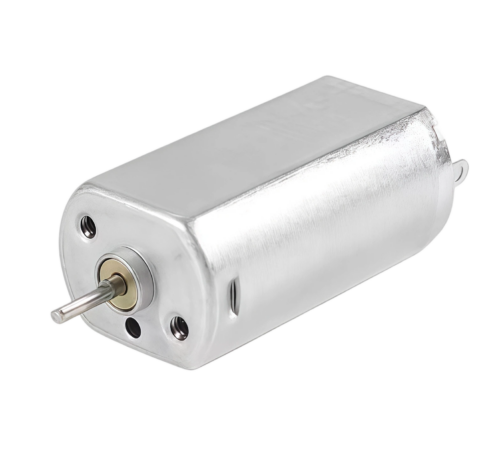
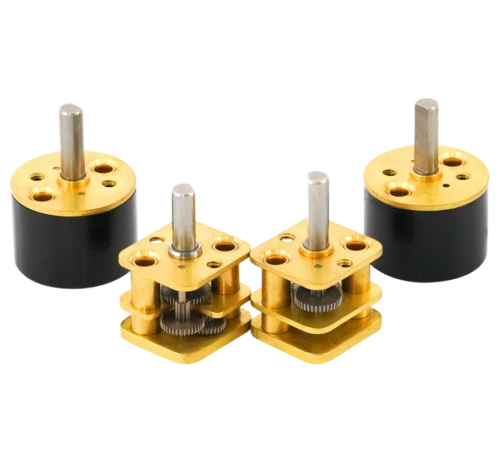
Low Voltage Motor Types

Specifications

Representative Specifications

The two models below carry fully documented no-load and max-efficiency figures from the 20mm micro brushed platform, spanning the low and high ends of the 3V–24V band.

ModelDiameterVoltageNo-Load SpeedNo-Load CurrentMax-Eff. SpeedMax-Eff. CurrentMax Output TorqueStall Torque
SLW-FF180-1714020 mm6V7,074 rpm0.074 A5,869 rpm0.358 A22.5 g·cmup to 131.8 g·cm
SLW-FF180-1131020 mm24V11,562 rpm0.047 A9,759 rpm0.252 A36.7 g·cmup to 235.6 g·cm

Overall length depends on the gearbox or shaft option, and other voltage classes exist across different frame sizes, so figures are confirmed against the specific winding and configuration requested.

Applications

Low Voltage DC Motor Applications

Robotics

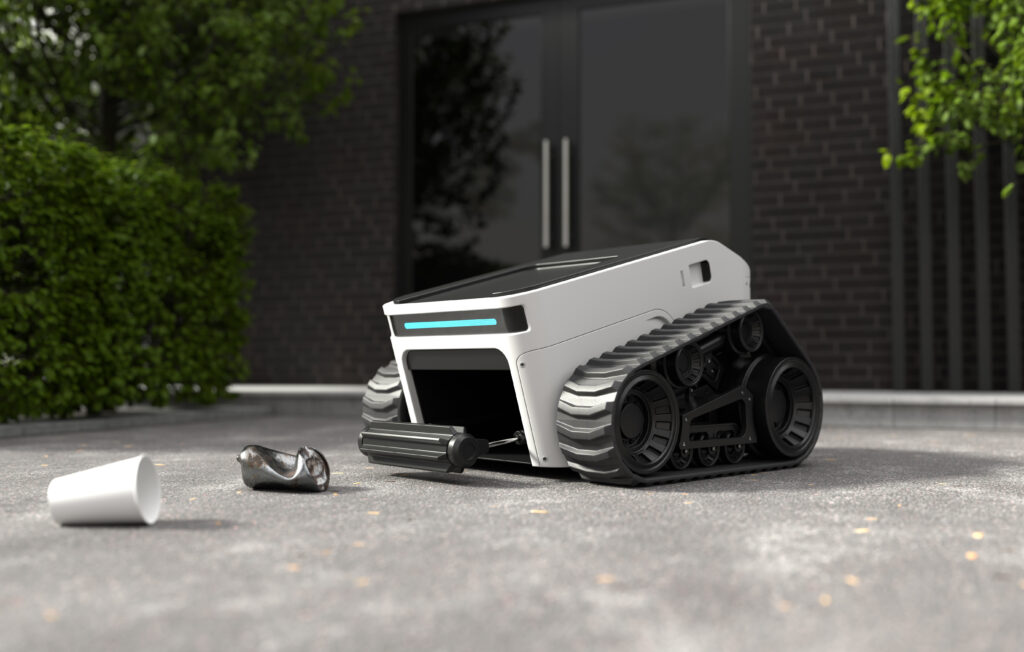
Joints and small actuators commonly run at 6–24V, sharing a rail with nearby control electronics.

That shared rail keeps the low voltage dc motor and its control electronics on one supply.

Explore Robotics Applications
Medical Devices

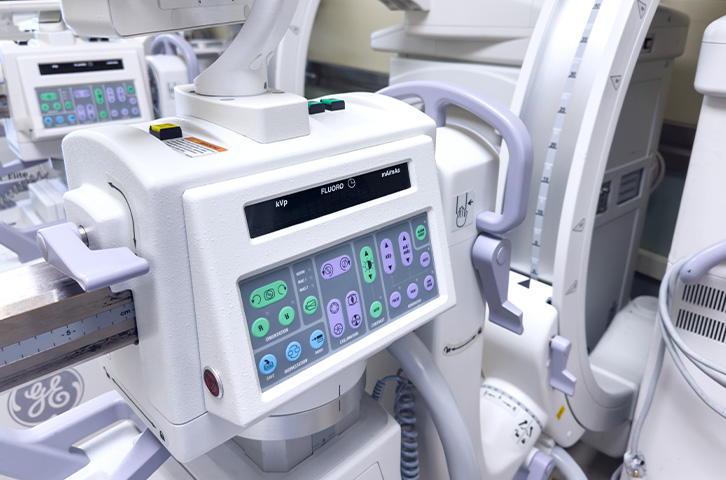
Low voltage keeps battery-powered instruments compact and reduces the electrical hazard profile in patient-contact equipment.

Compact battery-powered instruments benefit from the lower hazard profile of a low voltage motor.

Explore Medical Equipment Applications
Automation

12V/24V control voltages match common PLC and control-panel supplies without extra conversion stages.

A 12v dc motor drops straight into existing control-panel supplies, avoiding extra conversion stages.

Explore Industrial Automation Applications
Smart Devices

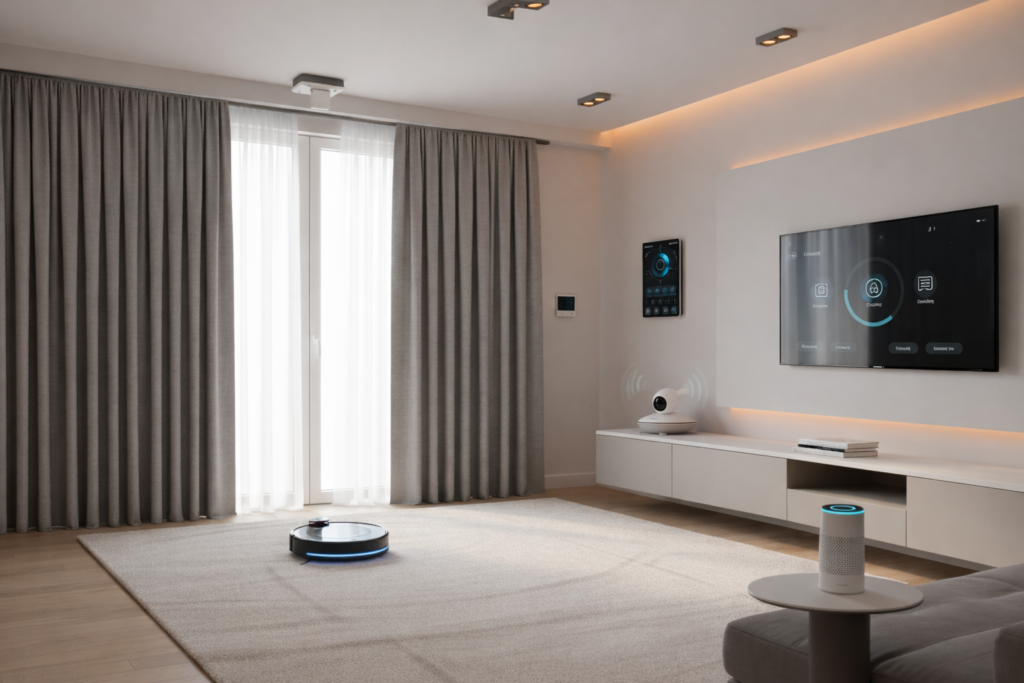
3V–6V ranges suit coin-cell or small battery-pack consumer and IoT hardware.

A 3v dc motor fits coin-cell and small battery-pack consumer and IoT hardware.

Explore Smart Device Applications
Precision Equipment

Low voltage limits current spikes, which matters where electrical noise can interfere with nearby sensors.

Limiting current spikes protects nearby sensors from electrical noise in precision equipment.

Explore Precision Equipment Applications
OEM & Custom

Custom Low Voltage Motor Solutions

  • Custom-Engineered Builds

    Voltage, torque, speed, and power output can all be adjusted to a target spec.

  • Winding Adjustments

    Where a target voltage or torque falls outside a catalog configuration, the winding is adjusted to match as part of standard customization.

  • Samples and Volume Orders

    Sample-quantity orders and small-batch customization run on the same production line as bulk runs.

  • Responsive Quoting

    Quotation feedback is returned promptly once specs are confirmed, with exact MOQ and lead-time figures confirmed during quoting.

Explore More

Related Motor Technologies

  • Brushed DC Motors

    Each of these covers a different mechanical approach available across the same low-voltage electrical range: Brushed DC Motors, Brushless DC Motors, Coreless DC Motors, and Planetary Gear Motors.

  • Brushless DC Motors

    A mechanical approach without brushes, covering the same low-voltage electrical range for applications that need a different drive method.

  • Coreless DC Motors

    A mechanical approach with a coreless rotor, offered across the same low-voltage electrical range as the rest of our motor technologies.

  • Planetary Gear Motors

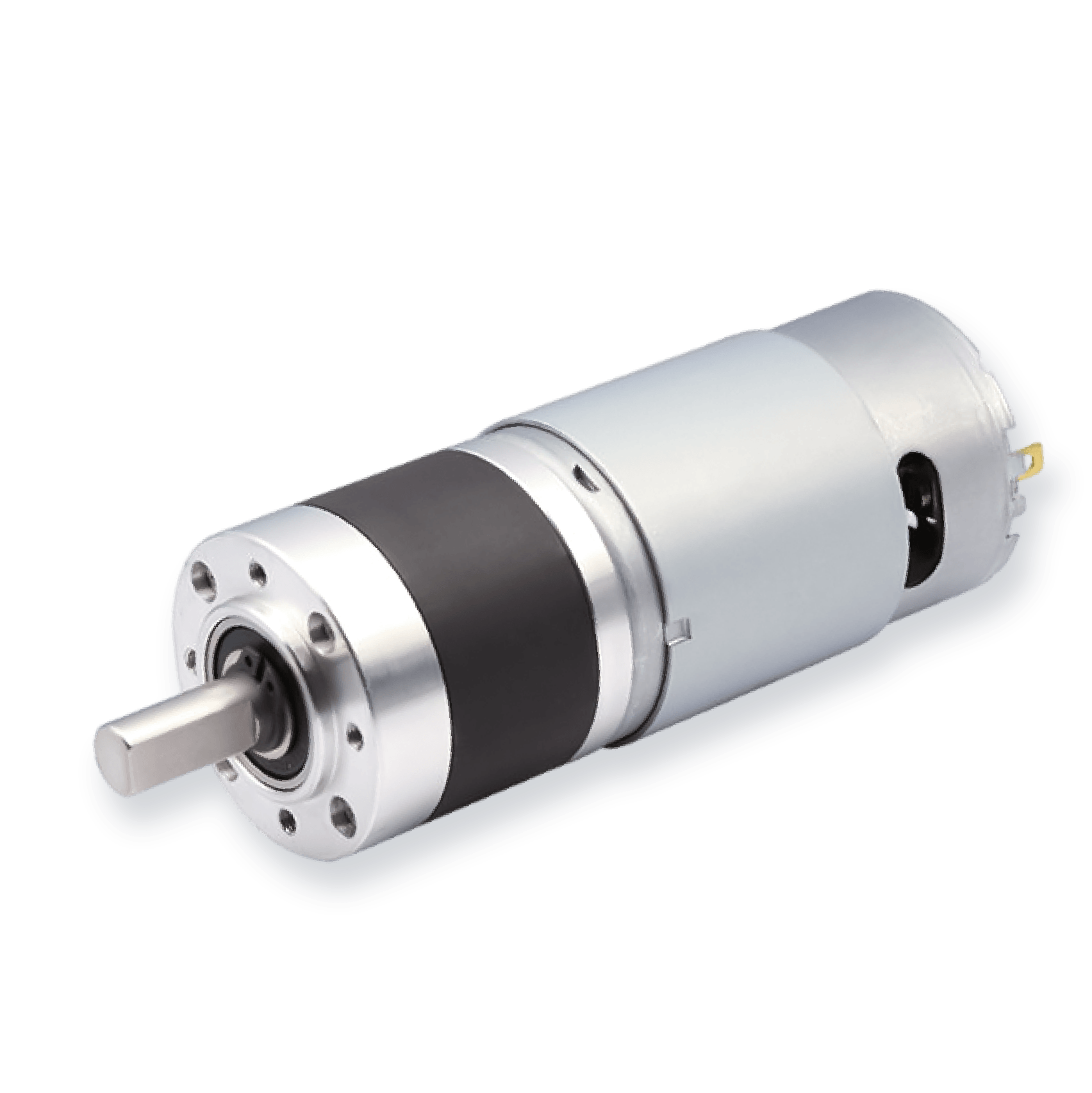
    A mechanical approach built around planetary gearing, available across the same low-voltage electrical range as our other motor technologies.

Standards

Certifications & Standards

SLW Motor holds ISO 9001:2015 certification and maintains RoHS compliance documentation along with a Halogen-Free test report. All components are built to meet these documented quality and safety requirements before shipping.

  • ISO 9001:2015: Quality management certification held by SLW Motor.
  • RoHS: Compliance documentation maintained for all components.
  • Halogen-Free: Test report available to confirm material requirements.
  • Quality & Safety: Components built to meet documented requirements.
  • Before Shipping: All parts verified against these standards.
Quote

Request a Quote

Send target voltage, torque, speed, and physical envelope, and SLW's team will confirm the closest catalog match or scope a custom build — from a single prototype sample through stable bulk production.

Contact SLW Motor for a datasheet and a quote on a low voltage dc motor built to spec.

FAQ

FAQ

Answers to common questions about voltage range, wiring, and current draw for SLW low voltage DC motor models.

How much voltage can a small DC motor handle?
SLW's low voltage motor line is built for 3V–24V, and most models are optimized within a narrower slice of that band, such as 3V–6V or 6V–24V, rather than running the full range equally well.
How do you wire a low voltage motor?
Bare brushed motors ship with two flying leads unless a connector is specified. Swapping the leads reverses rotation, and PWM controls speed directly; BLDC motors need a matching driver.
How much current does a 12V low voltage DC motor draw?
Current depends on load, not just voltage. SLW's documented 6V and 24V sample motors draw roughly 0.05–0.36 A from no-load to max efficiency, and a 12V low voltage dc motor falls in a comparable band.
Get Started

Accelerate Your Project with Precision Motors