Aerospace Prototyping & Test Equipment

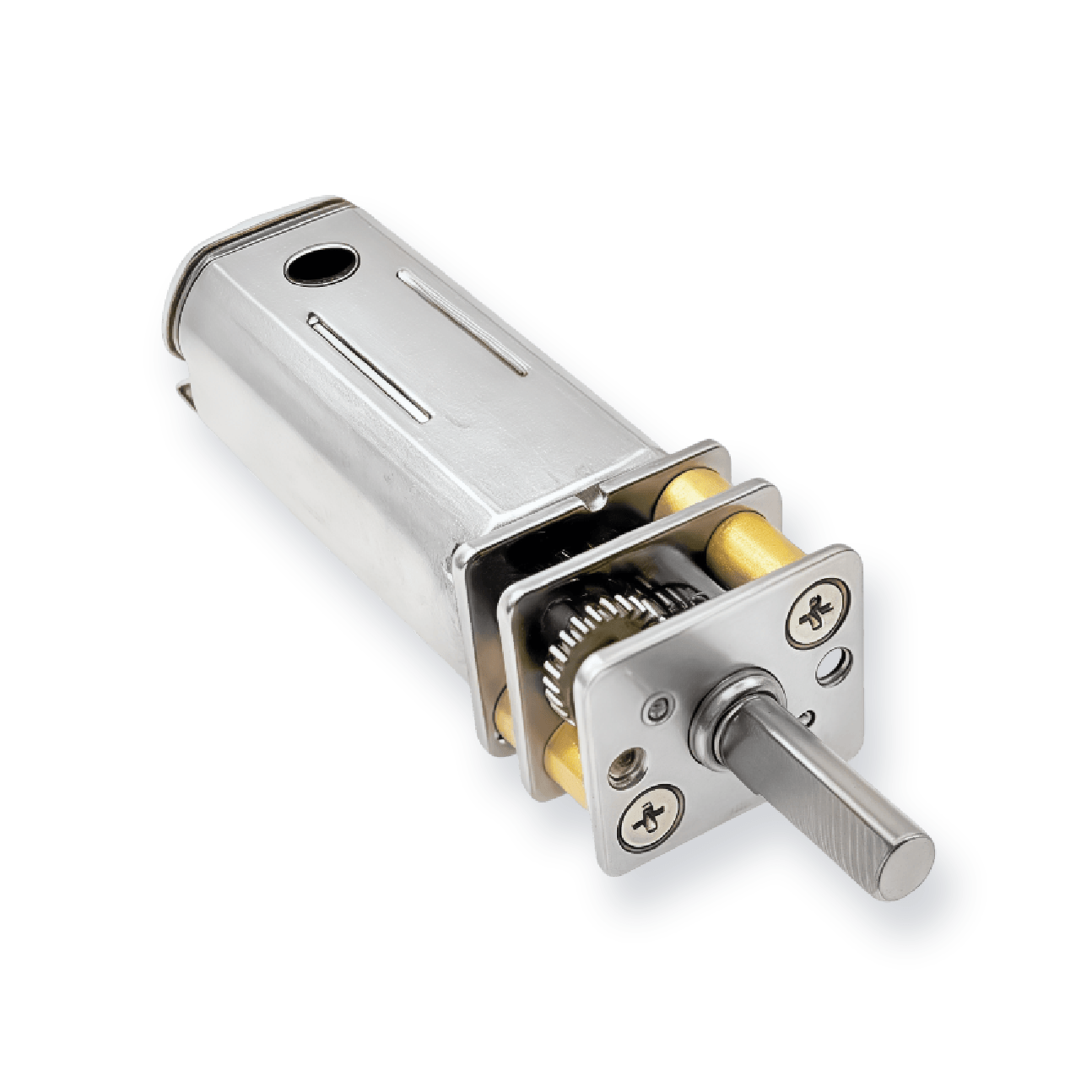
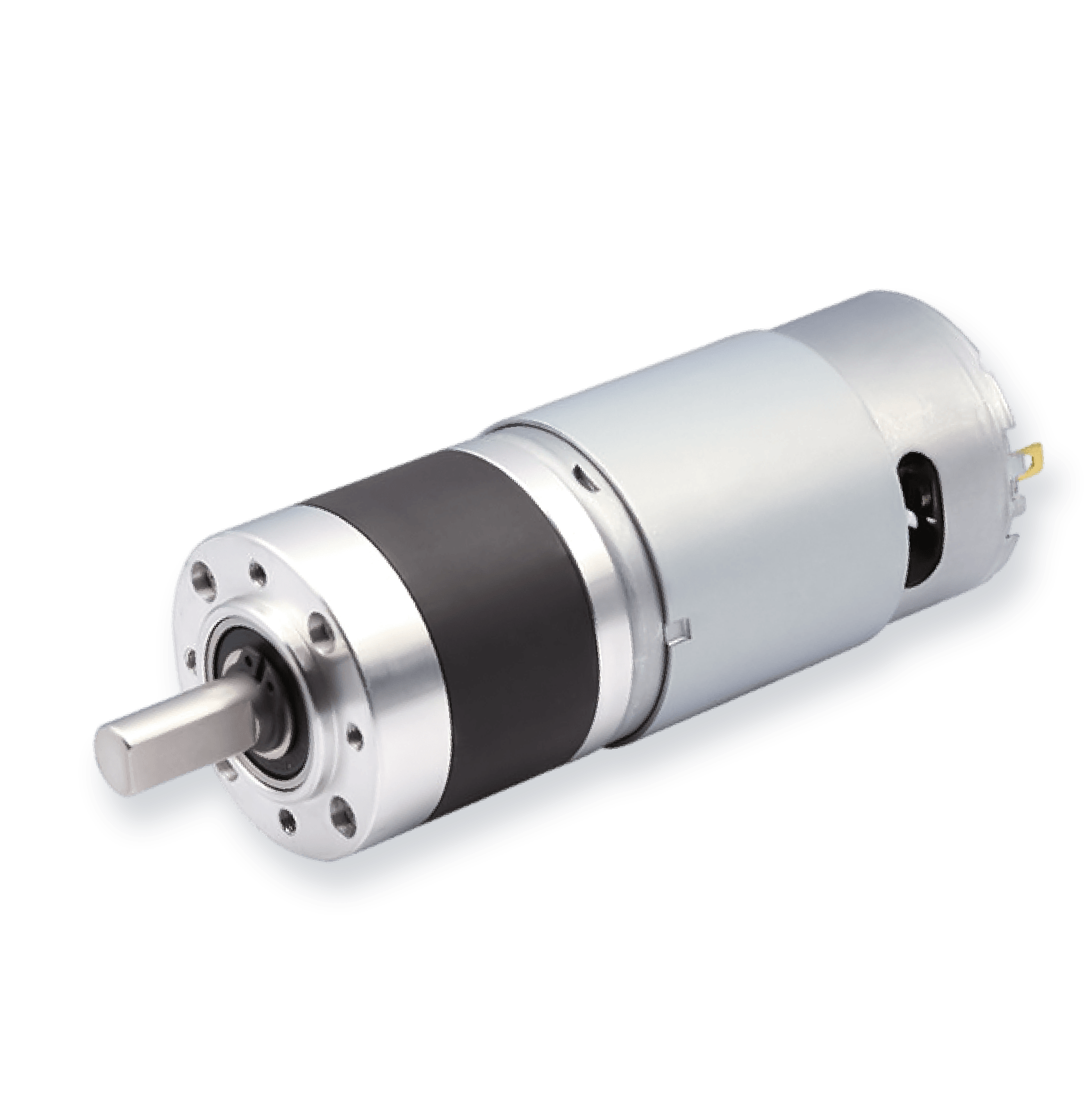
SLW provides compact motor and gearbox platforms for aerospace prototypes, test instruments, positioning mechanisms, antenna systems, and non-flight-critical auxiliary equipment. Motor selection, environmental testing, certification, and compliance review must be confirmed for each specific application.

Get a Quote
Aerospace Prototyping & Test Equipment Featured Image
Advantages

Why Choose Our Motors for Aerospace Prototypes and Test Systems

  • Configurable Motor Platforms

    Motor type, gearbox ratio, torque, speed, duty cycle, and mechanical interfaces can be selected according to the requirements of prototype equipment and test systems. Available configurations depend on the selected motor platform, operating conditions, production quantity, and technical feasibility.

  • Controlled Motion for Positioning Equipment

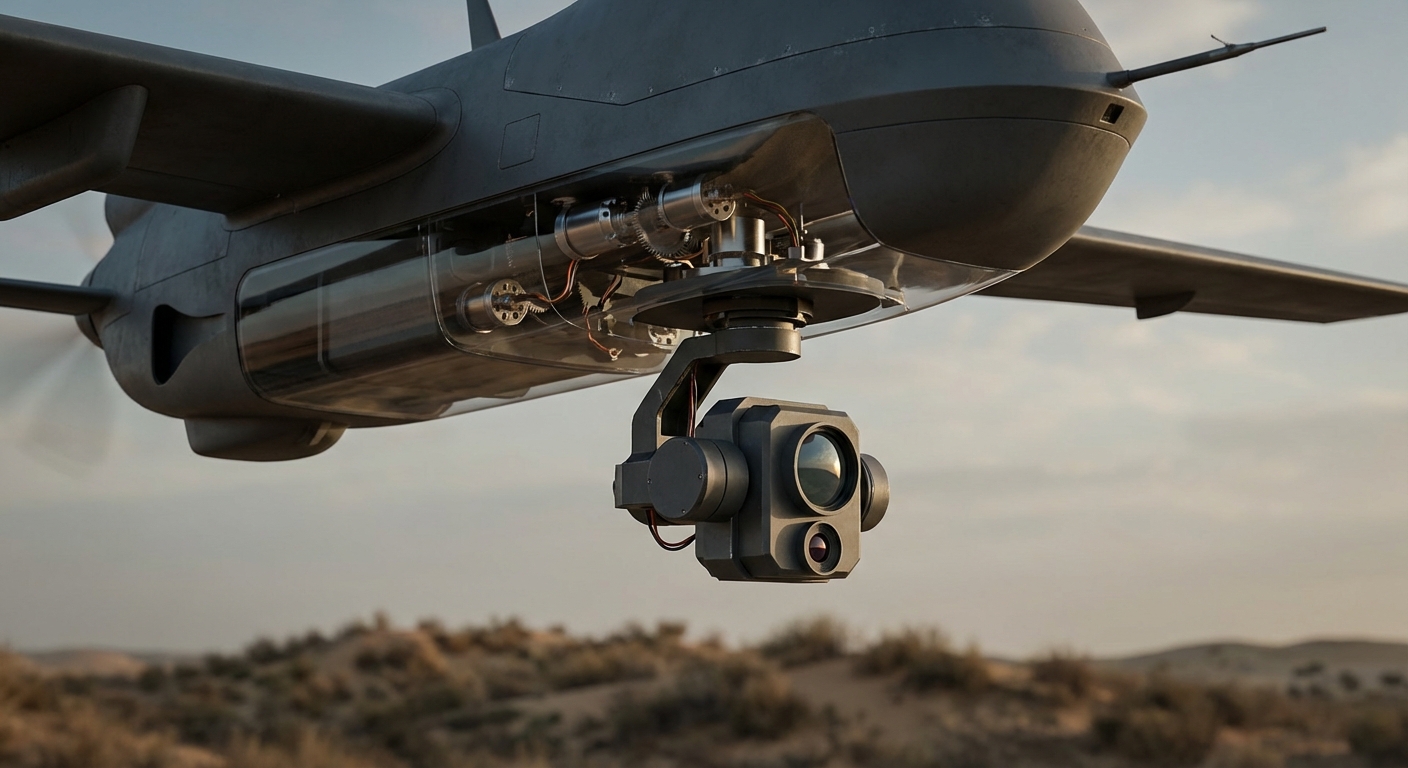
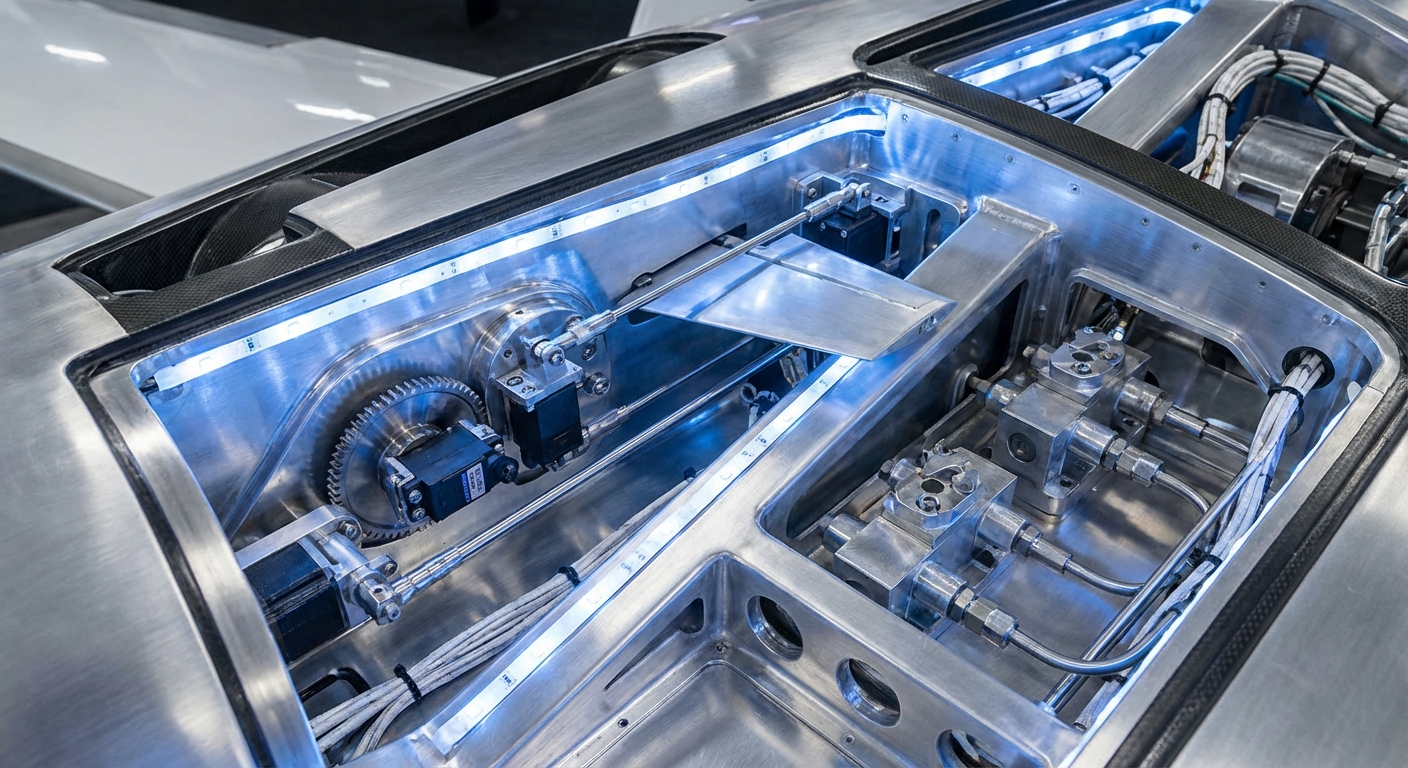
    Motor and gearbox combinations can support controlled movement in prototype gimbals, antenna test platforms, optical positioning devices, inspection tools, and measurement instruments. Final positioning accuracy, repeatability, and stability depend on the complete system, including the motor, gearbox, feedback device, controller, load, mounting structure, and transmission components.

  • Compact Integration

    Compact motor formats can help reduce installation space and equipment weight in laboratory instruments, portable test equipment, prototype positioning mechanisms, and ground-support devices. Torque, thermal performance, duty cycle, noise, vibration, and service life must be evaluated under the actual operating conditions.

  • Application-Specific Configuration

    Available configuration options may include custom windings, alternative gear ratios, modified output shafts, connectors, cable assemblies, encoders, mounting interfaces, and mechanical housing adjustments. All modifications are subject to engineering review and production feasibility. EMC, environmental, safety, reliability, and certification requirements must be evaluated and tested at both the component and complete-system levels.

Options

Example Development Applications

SLW motor and gearbox platforms can be evaluated for prototype, laboratory, inspection, measurement, and non-flight-critical auxiliary equipment where compact size and controlled motion are required.

Typical applications include:

  • Prototype gimbal and camera-positioning rigs
  • Ground-based antenna positioning equipment
  • Optical adjustment and focusing mechanisms
  • Laboratory measurement instruments
  • Calibration and inspection equipment
  • Environmental test fixtures
  • Data-acquisition equipment
  • Portable diagnostic and monitoring devices
  • Prototype locking and adjustment mechanisms
  • Ground-support and maintenance equipment
  • Non-flight-critical auxiliary mechanisms
  • Research and development platforms

Suitability for any specific application must be determined through engineering review and testing.

Use in flight-critical, safety-critical, regulated defense, weapon-related, or export-controlled systems is not implied by the examples above.

Considerations

Engineering Considerations for Aerospace Prototypes and Test Equipment

Operating Environment

Define the required vibration, shock, temperature, humidity, dust exposure, duty cycle, and service life before selecting a motor, and verify performance through application-specific testing.

Torque, Speed, and Duty Cycle
Positioning Performance

Positioning accuracy, repeatability, backlash, and stability depend on the complete system, including the motor, gearbox, encoder, controller, transmission, structure, and external load.

Weight and Installation Space

Consider motor diameter, gearbox length, output-shaft design, connector position, mounting method, and cable routing during the initial equipment design.

EMC and Electrical Integration

Review voltage, current limits, controller compatibility, grounding, shielding, and cable layout at the complete-system level, as compliance with a specific EMC standard is not implied without documented testing.

Power Efficiency and Thermal Management

Evaluate heat generated by the motor, gearbox, controller, enclosure, and surrounding equipment, and verify temperature rise under the actual load and operating conditions.

Qualification and Compliance

Environmental testing, safety validation, certification, export-control review, end-use compliance, and final system approval must be confirmed according to the specific application and applicable requirements.

Get Started

Accelerate Your Project with Precision Motors