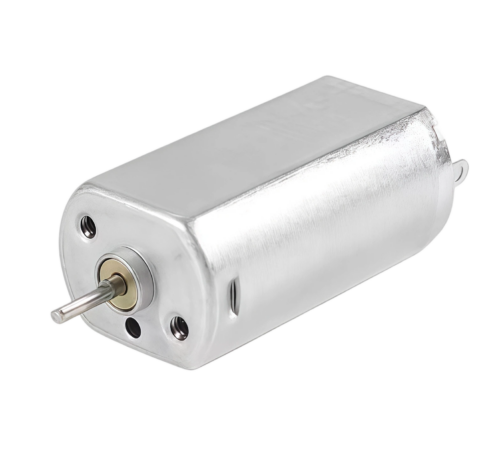
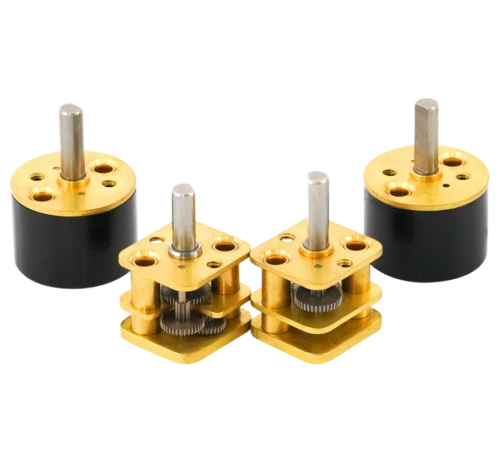
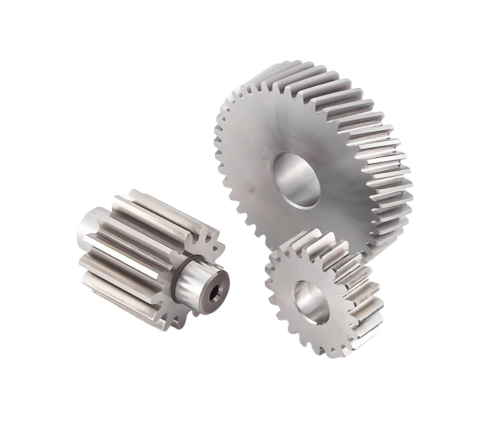
Coreless Electric Motor
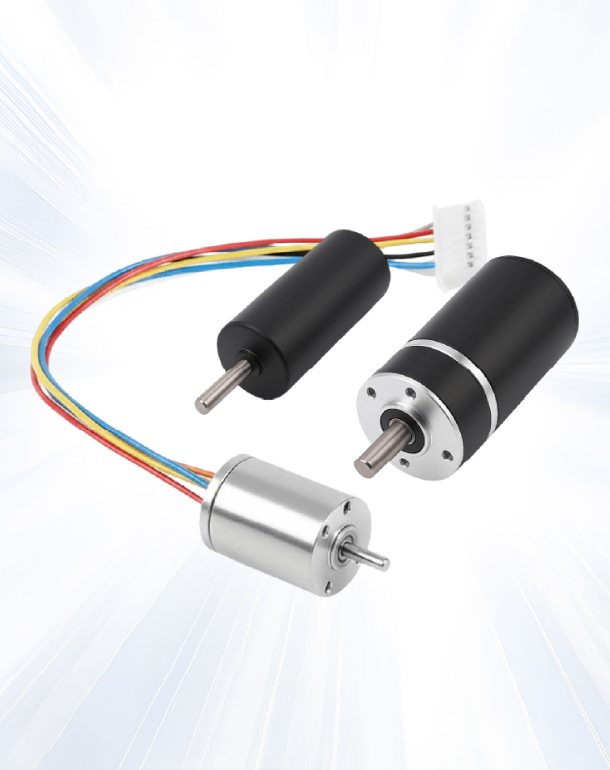
A coreless electric motor swaps the iron-core armature for a hollow, self-supporting copper winding, cutting rotor mass and removing cogging torque for faster acceleration and smoother low-speed running.
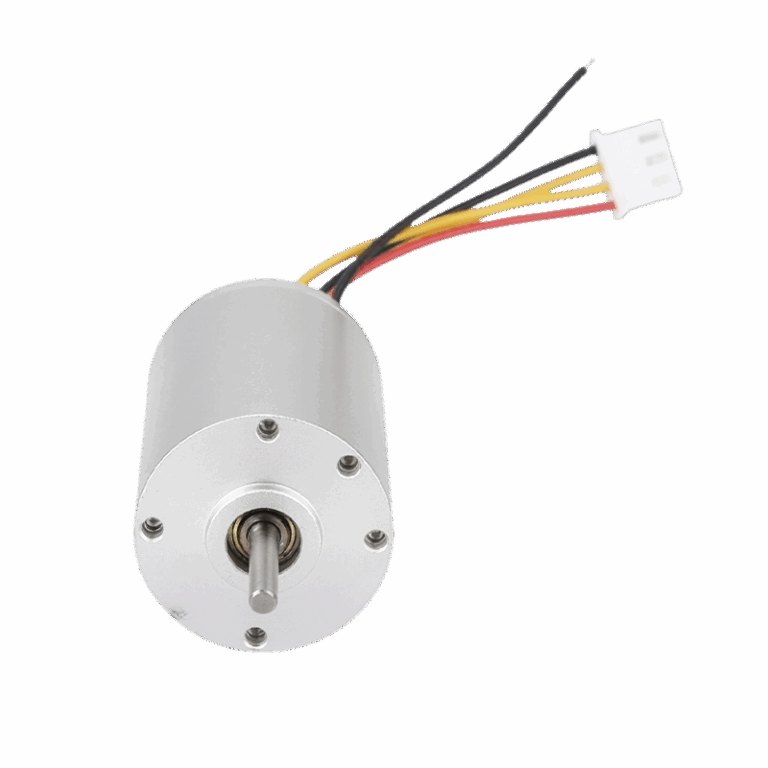



A coreless electric motor swaps the iron-core armature for a hollow, self-supporting copper winding, cutting rotor mass and removing cogging torque for faster acceleration and smoother low-speed running.

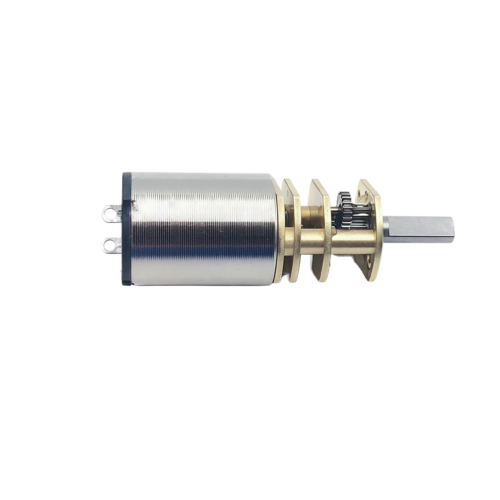
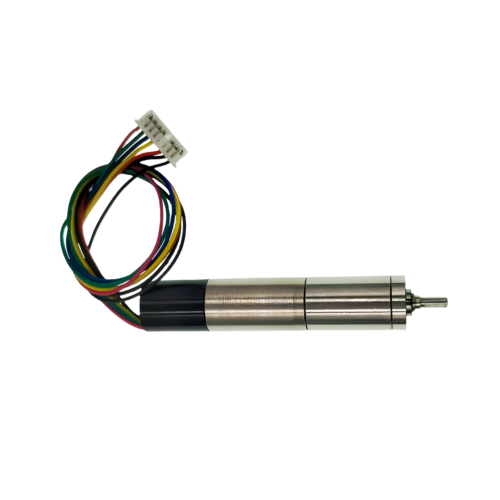
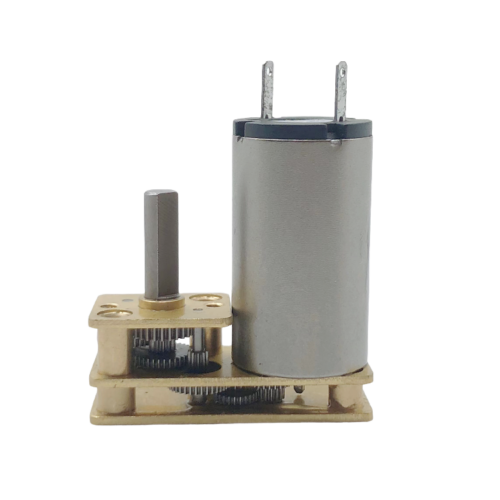
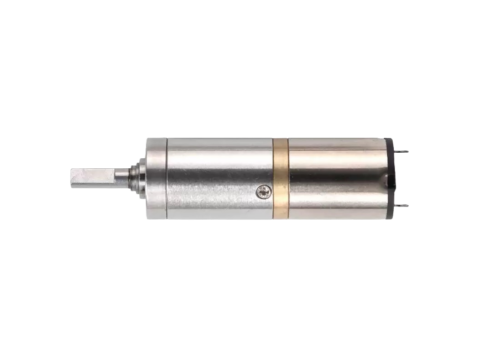
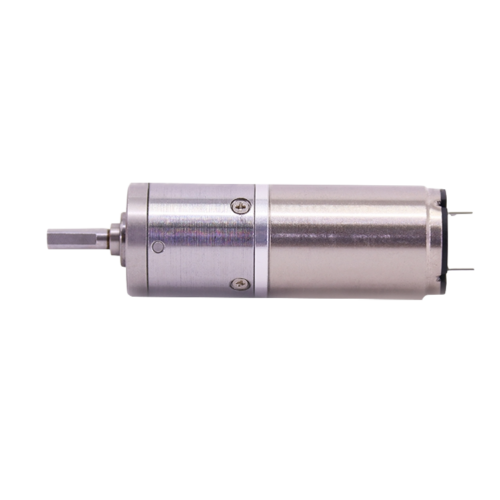


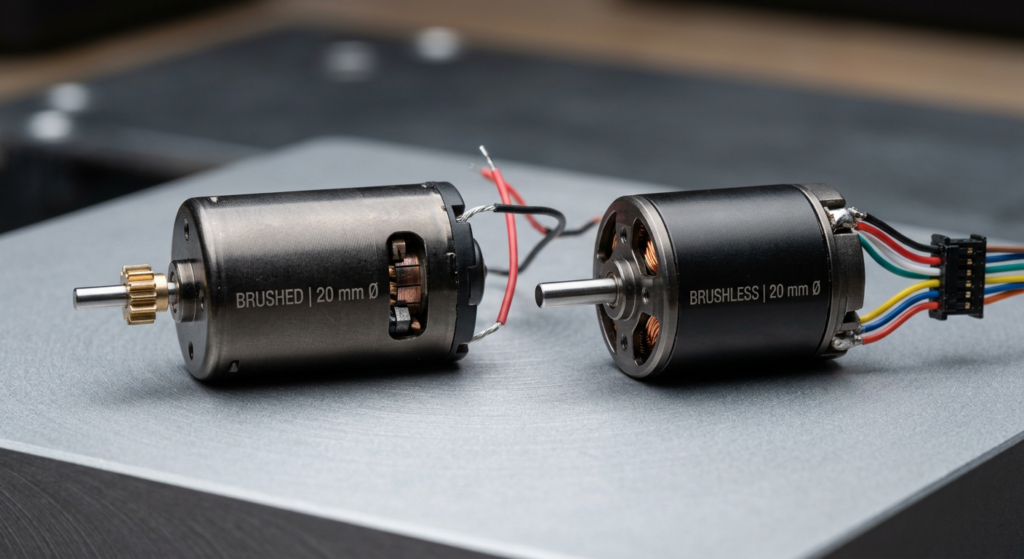
Fast start/stop cycles and quick direction reversal suit any mechanism that has to change motion state repeatedly. brushed DC motors brushless DC motors

Smooth, precise low-speed motion matters in dosing pumps, optics, and other fine-positioning tasks.

Draws less idle current than an iron-core motor of the same size, a real factor in battery-powered devices.

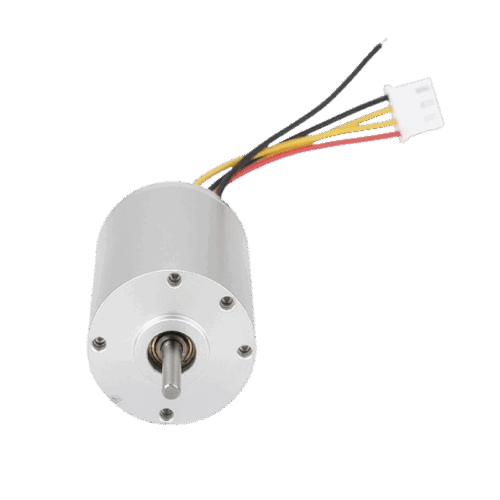
Compact envelope frees up space in tightly packaged assemblies without giving up power-to-weight ratio, and every coreless line comes as brushed or brushless.
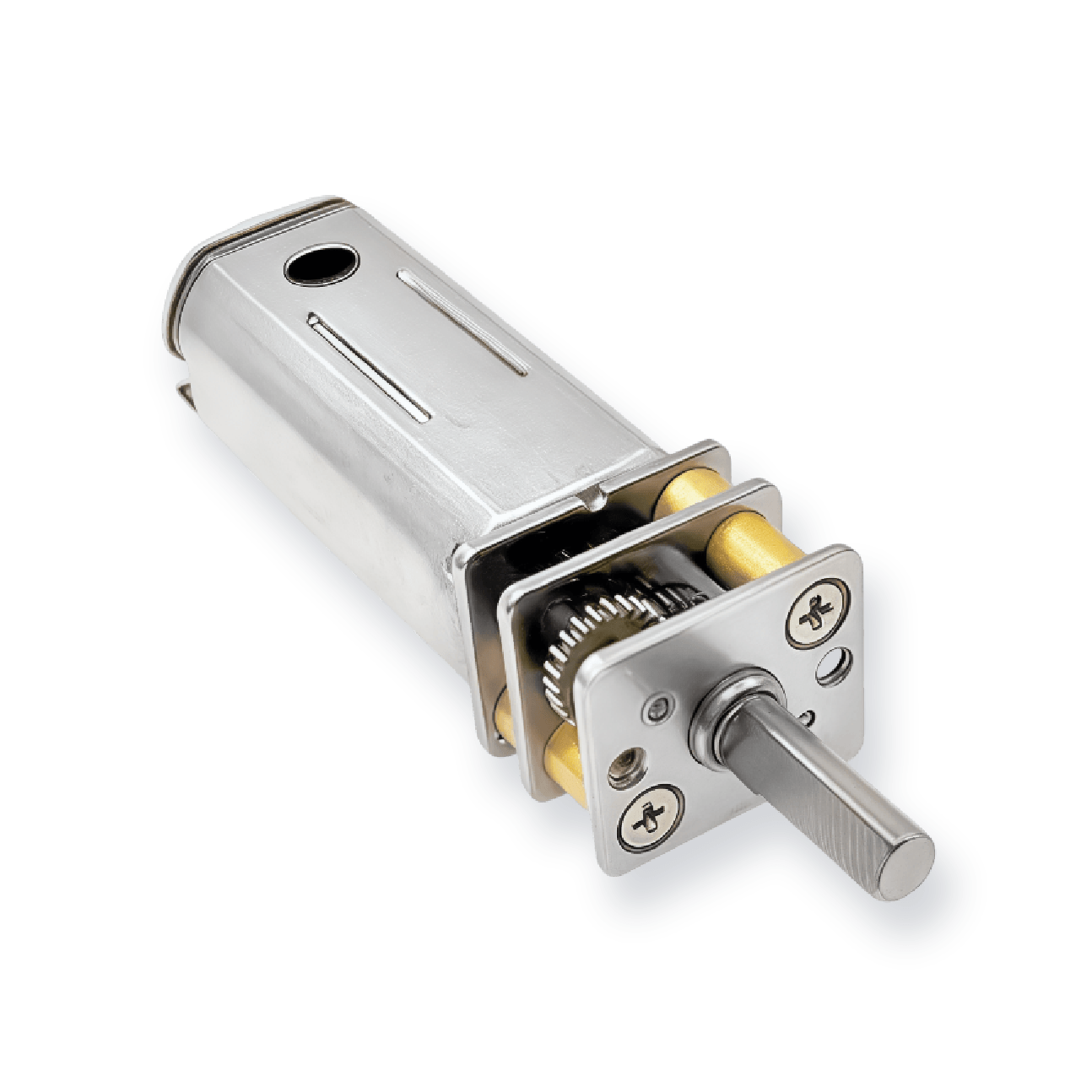
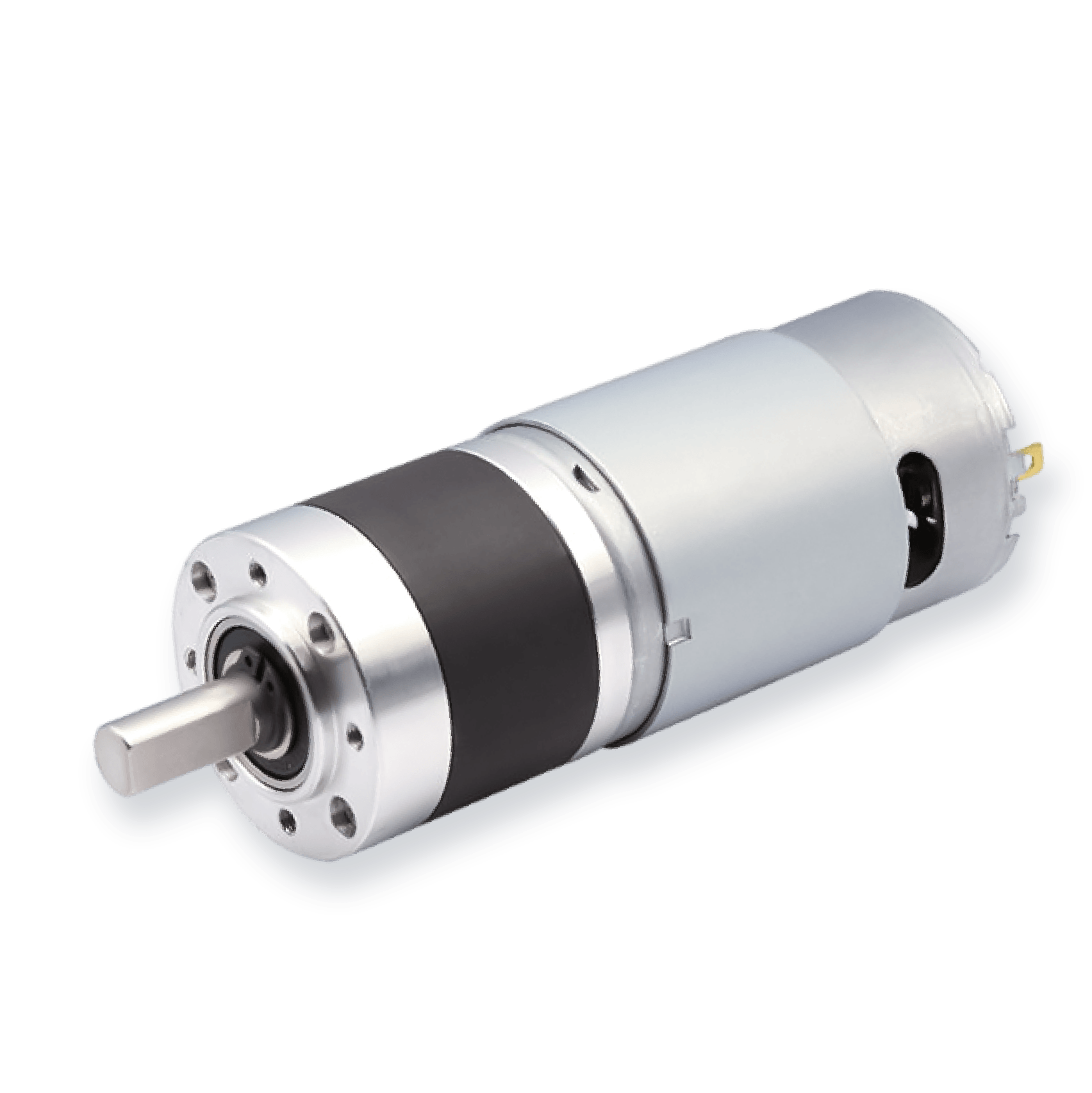
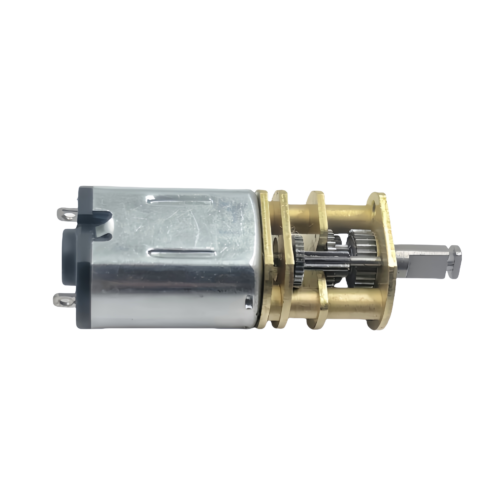
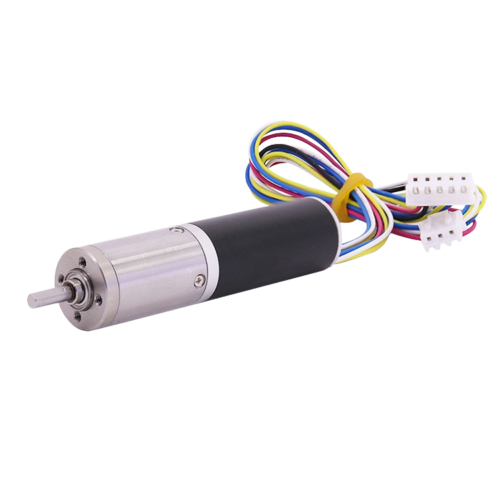
Coreless motors come in four diameter classes, each supplied motor-only or paired with a gearbox. The table below gives datasheet reference figures for representative models, covering size, voltage, speed, torque, current, and gearbox options. DC brush motor guide brushless motors explained DC electric motor guide
| Diameter Class | Representative Model | Rated Voltage (applied range) | Speed | Torque | Current | Gearbox Options |
|---|---|---|---|---|---|---|
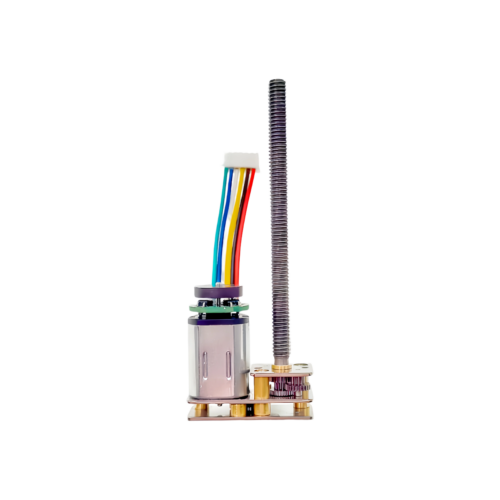
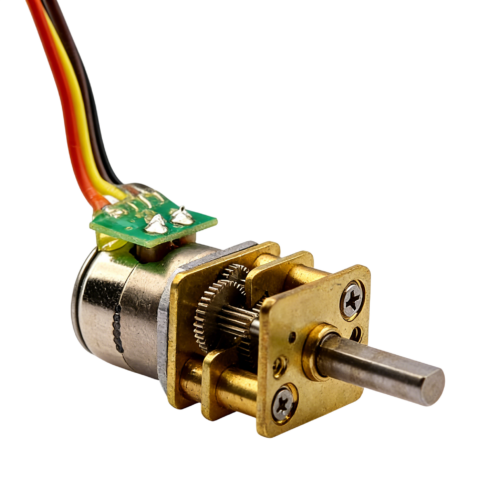
| 10mm (micro coreless dc motor) | 10mm brushed coreless gear motor | 3–12V | 49–612 rpm rated (ratio 20:1–250:1) | 0.02–0.29 kg·cm rated | — | Spur gearbox 6–9mm long; planetary + encoder version at 3–24V |
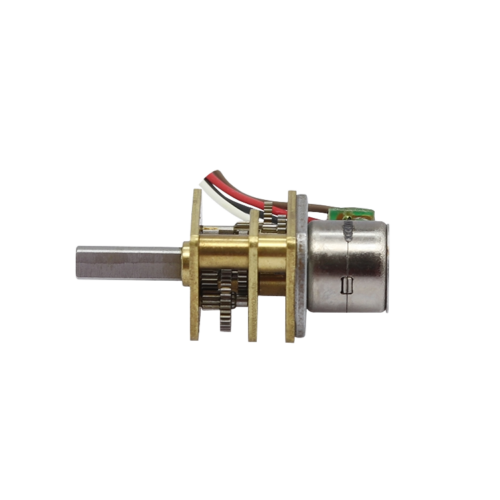
| 12mm (mini coreless motor) | 12mm brushed coreless planetary gear motor BLC1221 | 12V (3–12V) | 10–1,280 rpm rated (4 tiers) | 3.7–3,000 g·cm rated, up to 7,500 g·cm stall | 20 mA no-load / 120 mA rated | Planetary Φ12×L14.3; parallel-shaft, 90° shaft and worm variants; brushless + encoder |
| 16–17mm | 16mm brushed coreless motor BLC1625 · 16mm 1636 brushless coreless motor | 4.5–12V windings (6–48V) · 12V/24V windings | 5,300–8,900 rpm rated (brushed) · 10,000 rpm rated (brushless) | 15–21 g·cm rated, 90–170 g·cm stall (brushed) · 32.6 g·cm rated (brushless) | 180–400 mA rated · 180–390 mA rated | Planetary 14:1–1621:1, up to 32.42 kg·cm rated |
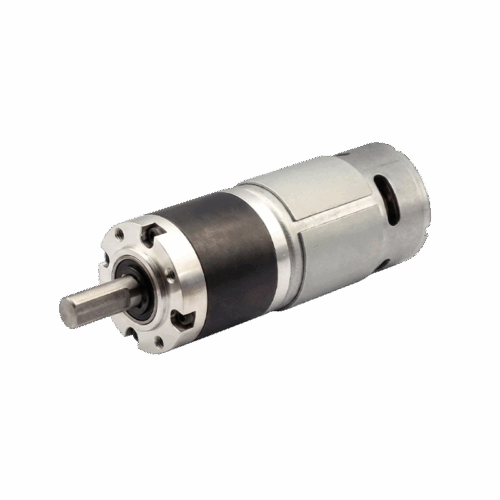
| 22mm | 22mm brushed coreless motor DM2232001 | 24V (6–24V) | 7,150 rpm no-load / 5,700 rpm rated | 465 g·cm stall | 14 mA no-load max / 380 mA rated max / 2.0 A stall | Planetary Φ22×L30, 9 rpm output, 60 kg·cm stall; brushless coreless version at 6–48V |
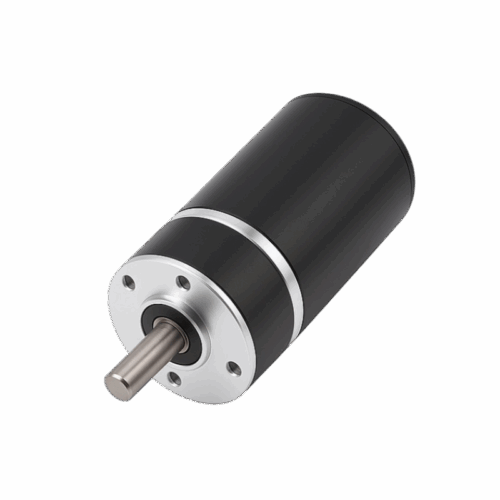
Diameters and voltages outside this range can still be built: pair a coreless core with Planetary Gear Motors, Spur Gear Motors, or a worm gear motor train, and tell us the reduction ratio and output shaft you need.
Customize feedback, materials, motion type, reduction stage, and integration to match your build.
Pair with an encoder, Hall sensor, or sensorless build depending on whether you need closed-loop position feedback or simple open-loop speed control.
Choose brass, stainless steel, powder-metallurgy alloys, or engineering plastic for housings and gears, matched to load and operating environment.
Straight-line motion needs a different mechanism than rotary output, and for step-wise positional holding a Motion Type may suit better than a coreless build.
Planetary stages add backlash that increases with each reduction stage, so factor that into positioning tolerance before locking a gearbox choice.
Encoder mounting, PCB soldering, and wire harness assembly are handled in-house rather than sent to a third party.
Backlash grows with each reduction stage, as covered in the planetary gear motor guide.
Coreless DC motors support grippers, compact joints, positioning stages, and other automated mechanisms requiring fast response.
Their low rotor inertia helps deliver quick acceleration, smooth movement, and precise positioning within space-constrained assemblies.
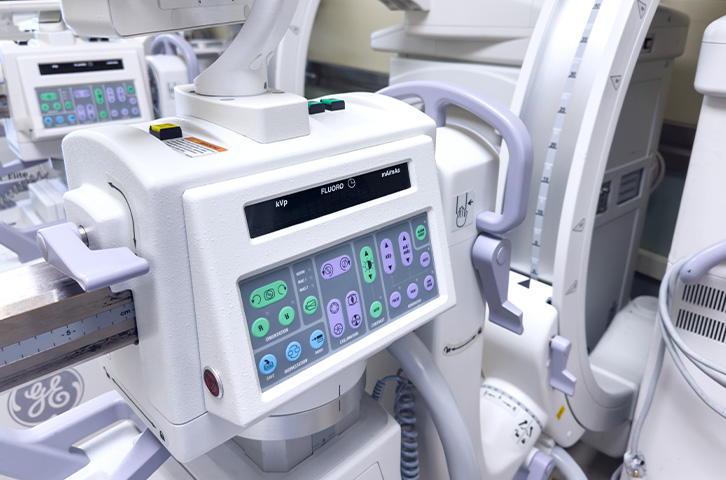
Explore Robotics & Automation ApplicationsCoreless motors can power dosing pumps, diagnostic instruments, and other compact medical mechanisms where smooth motion is important.
Their compact size, low weight, and low-noise operation make them suitable for precision devices with limited installation space.
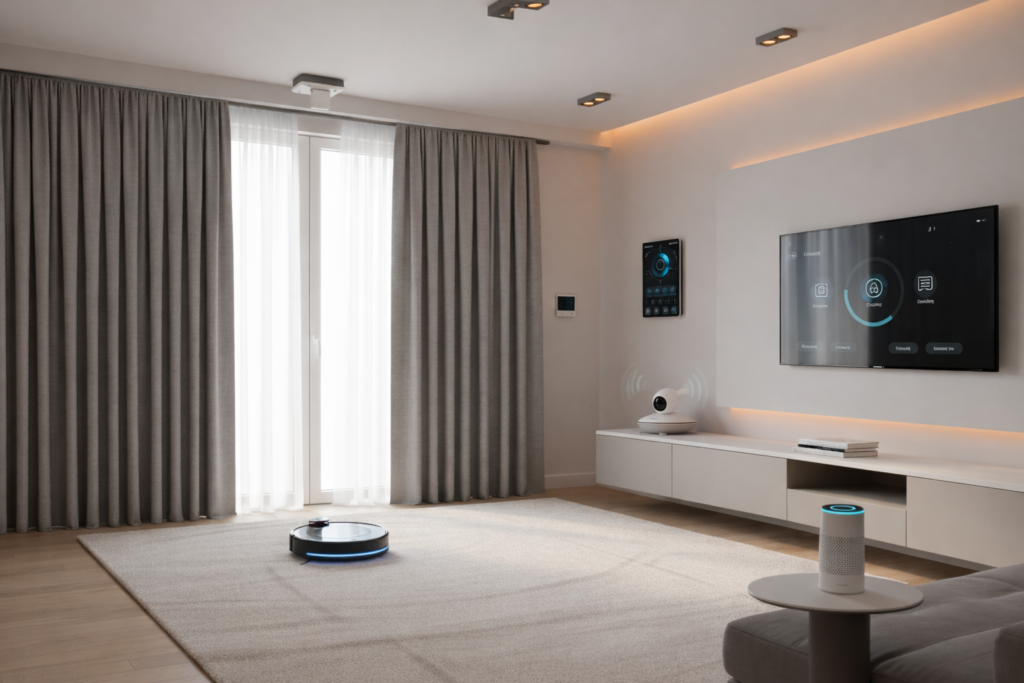
Explore Medical Equipment ApplicationsThese motors fit smart devices, precision equipment, handheld tools, and portable systems where both weight and available space are constrained.
Motor speed, torque, gearbox ratio, and envelope can be matched to the operating requirements of the final device.
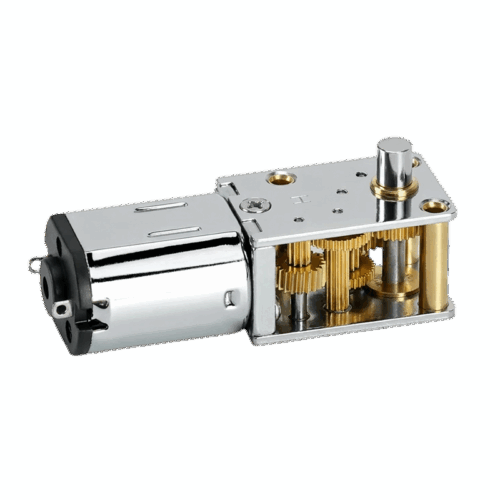
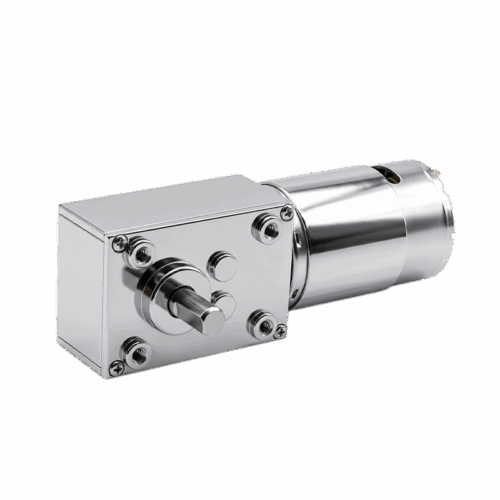
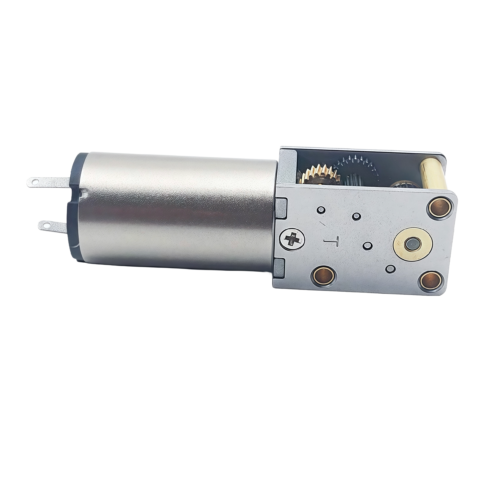
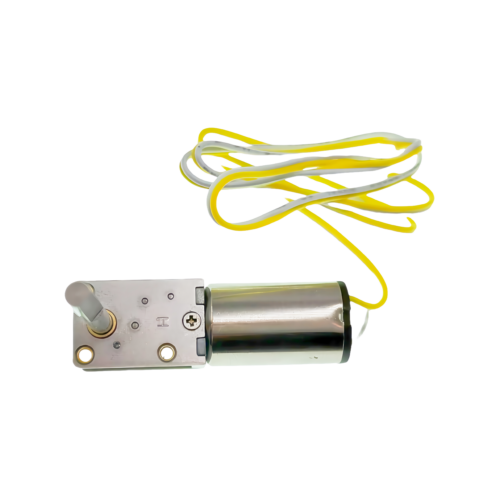
View Portable Equipment MotorsThe 12mm 90-degree and worm-geared coreless units suit equipment where the motor and output shaft cannot be arranged in a straight line.
Their compact right-angle layout helps integrate geared motion into narrow housings and space-limited mechanisms.
View Right Angle Gear Motors

SLW Motor runs a 2,400 m² factory in Shenzhen with 56+ staff and 15+ years of R&D experience, including projects for Japanese manufacturing clients, serving buyers across 30+ countries.
Every coreless motor passes incoming, in-process, and final inspection for dimensional and performance consistency, and production is ISO 9001:2015 certified with RoHS and Halogen-Free reporting available on request.
SLW builds coreless motors most heavily in the 10–22mm diameter band, where medical, robotics, and automation sourcing requests concentrate. Every size is available as a bare motor or as a coreless gear motor.
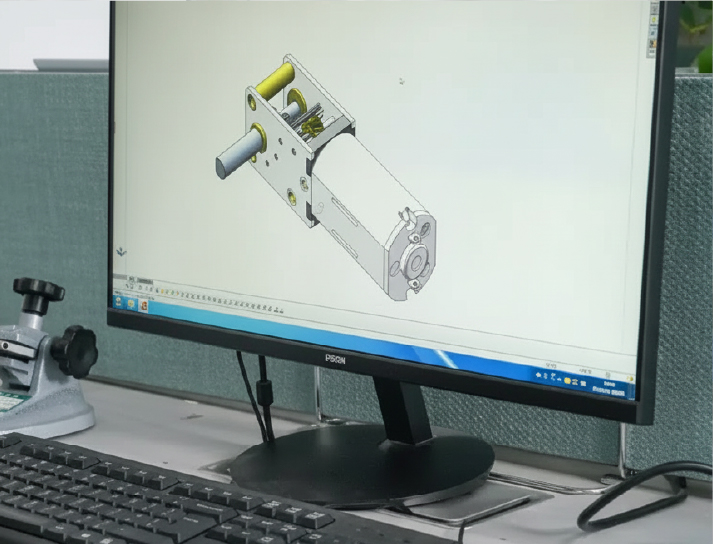
Tell us the diameter, voltage, torque, speed, and output shaft your assembly needs, and whether you're ordering a handful of samples or planning for bulk.

set per configuration, not a fixed catalog minimum — confirmed with your quote.

Confirmed at quotation; production scheduling is optimized for stable, on-time delivery across both small-batch and bulk runs.

Available on request through the quote form — include your target diameter, voltage, and gear ratio so the right file gets sent back.
SLW's engineering team replies with fast quotation feedback and can build to a catalog configuration or a fully custom print. Request a quote to start.
Find quick answers on coreless DC motors, customization, and how we support OEM programs from sample to volume.
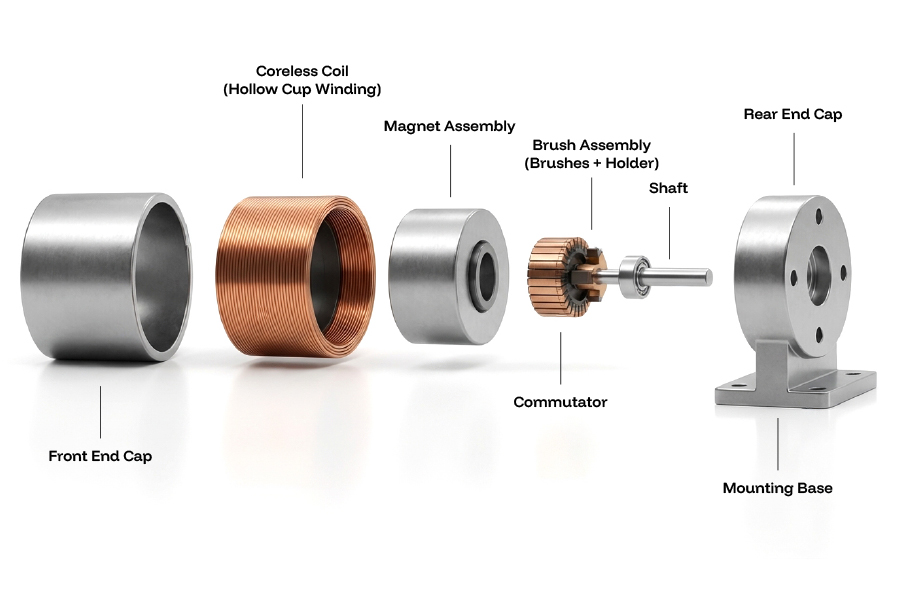
It's a DC motor whose rotor winding has no iron core — a self-supporting copper coil wound around a stationary magnet instead of iron laminations.
Usually yes, per unit — the self-supporting winding costs more to manufacture than a wound iron core. Whether that premium is justified depends on how much idle-current savings and response time matter for your duty cycle.
A coreless rotor has no iron core, so it reduces iron losses, heat, and inertia compared with a cored motor. A cored motor winds copper around a laminated iron core. A coreless motor winds copper into a self-supporting shell with no core, changing the rotor's mass distribution and manufacturing cost.
Tell us your project or application requirements, and our team will get back to you with technical support, product recommendations, or a customized motor solution.