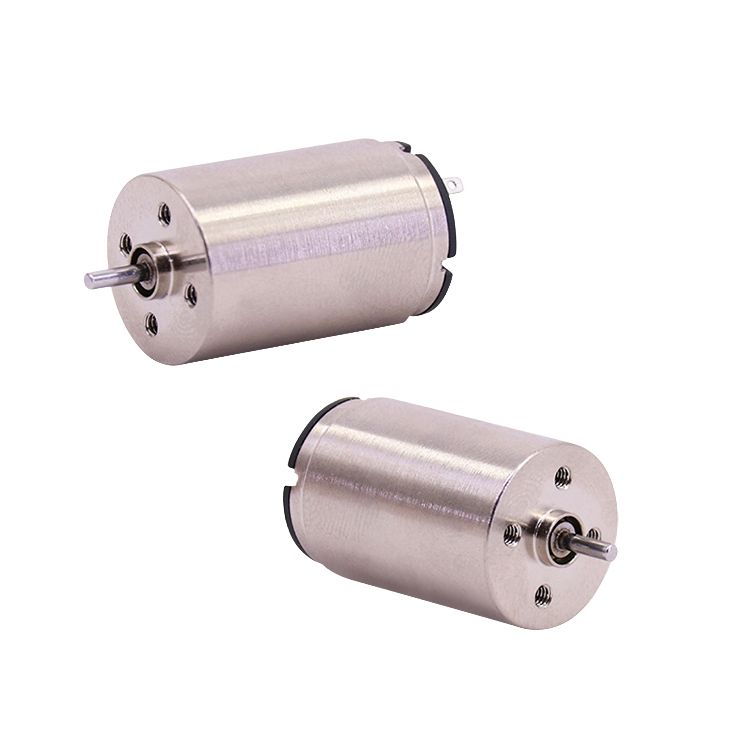
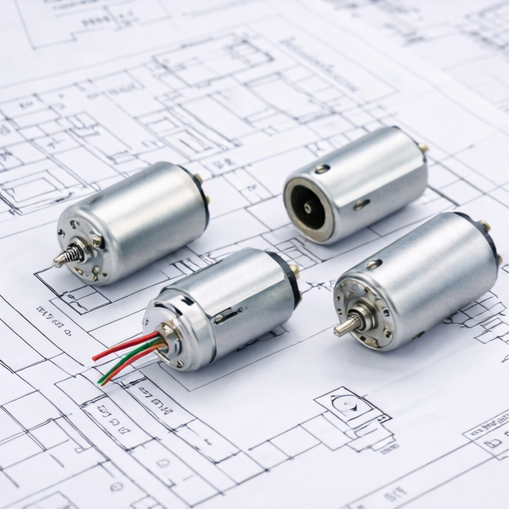
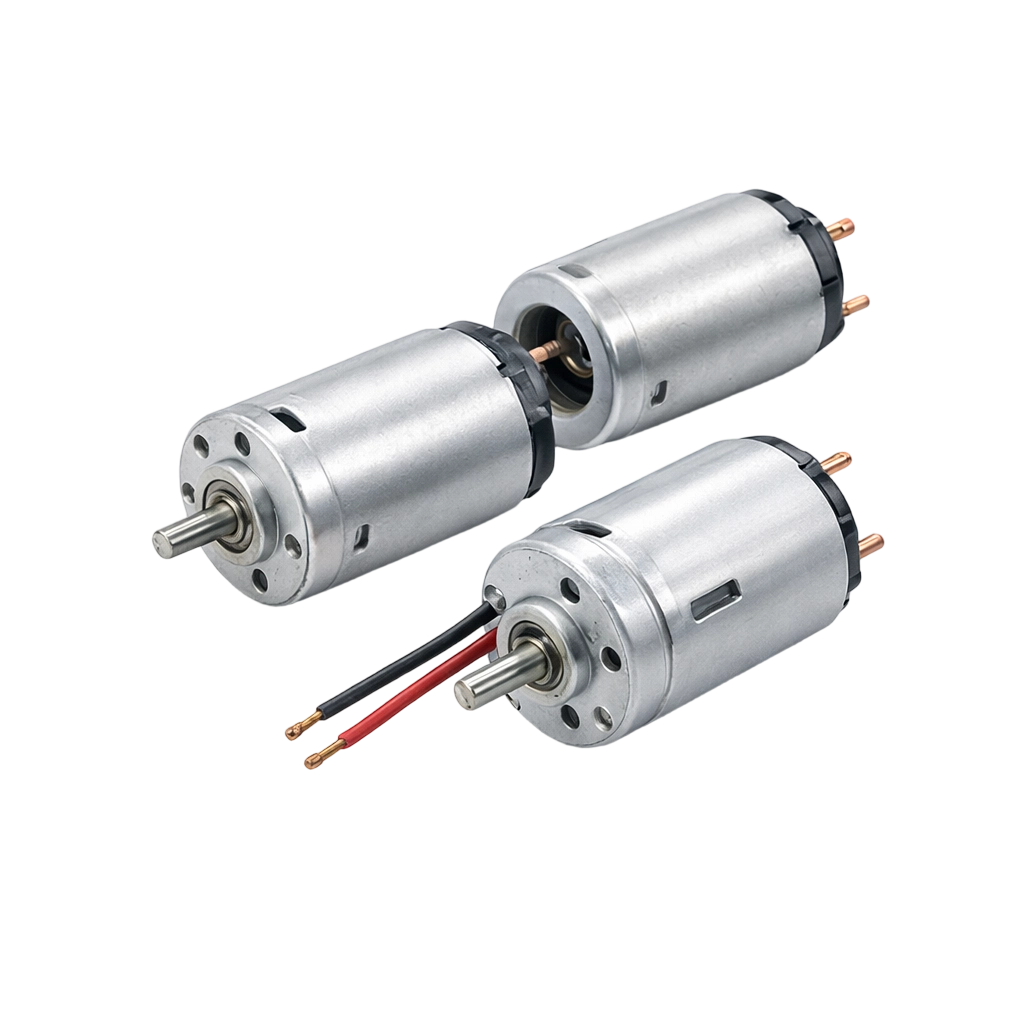
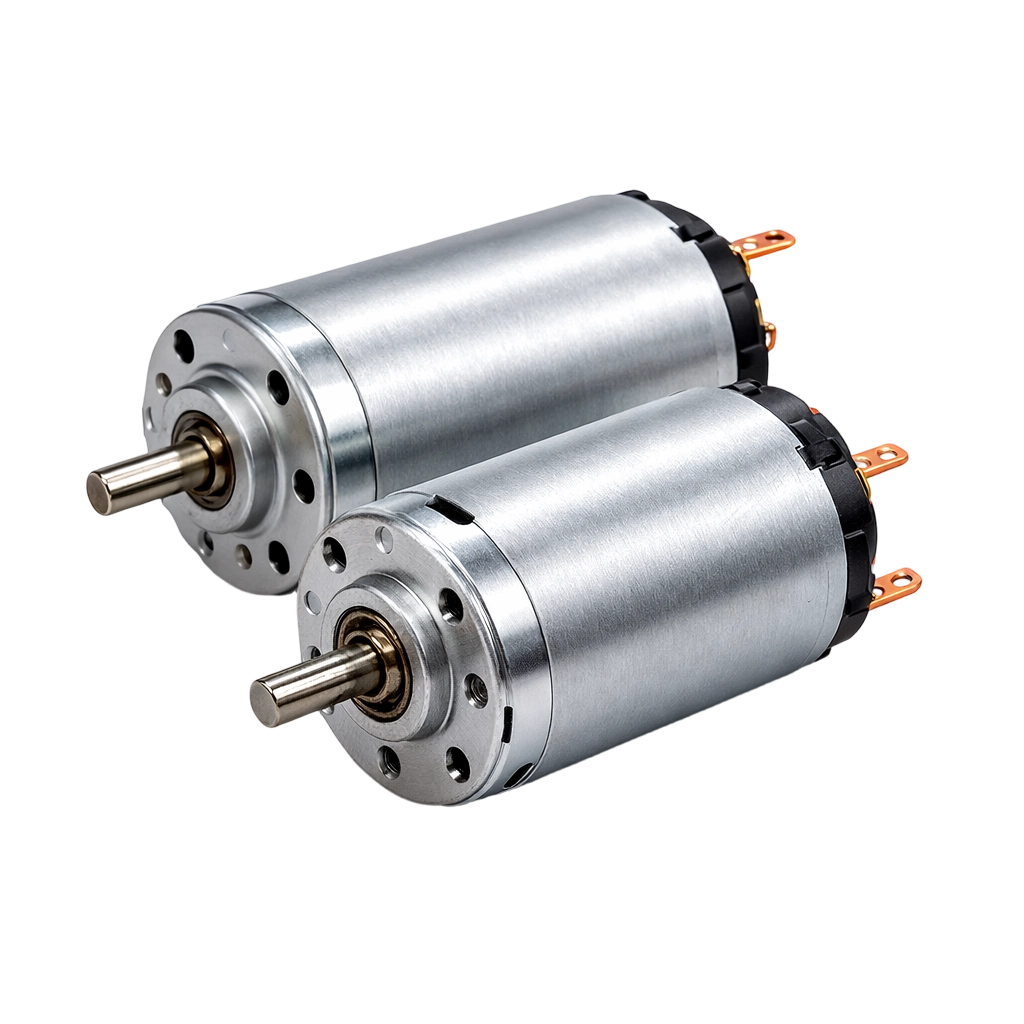
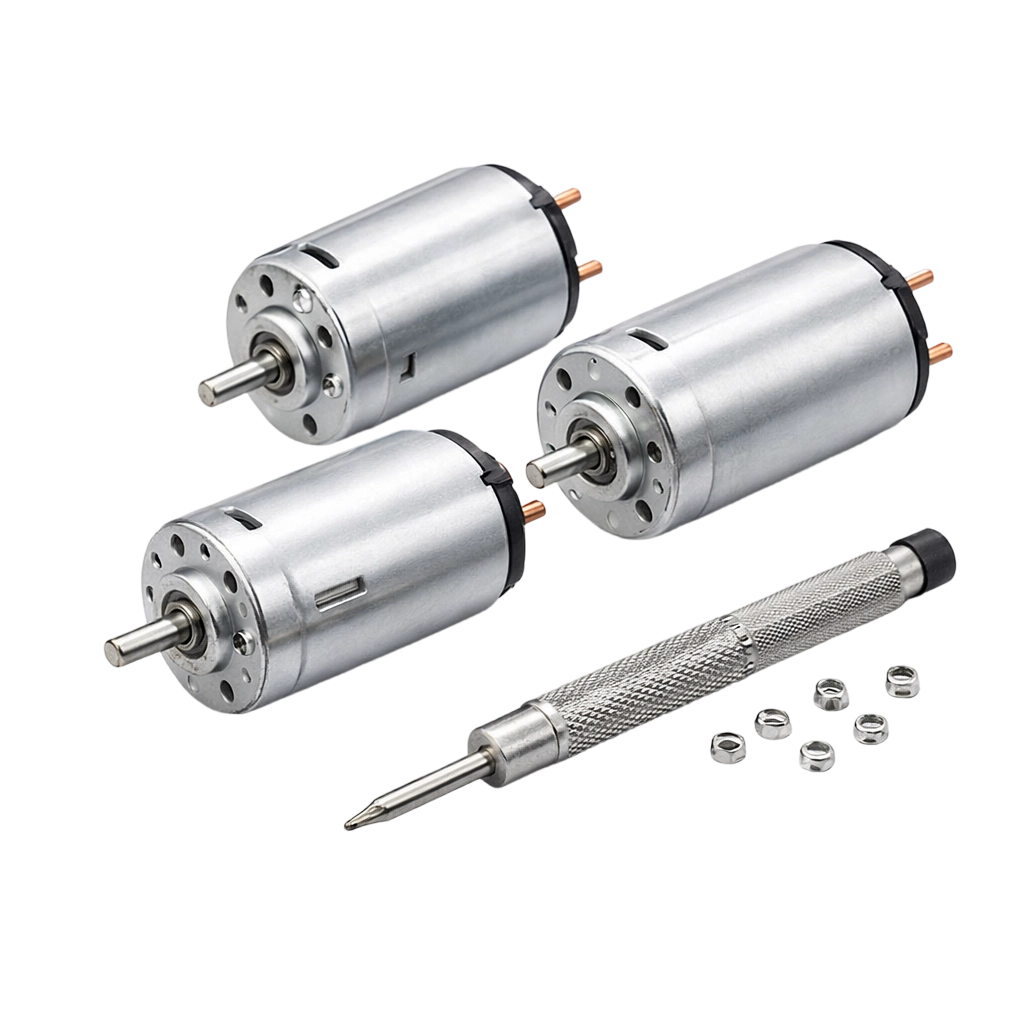
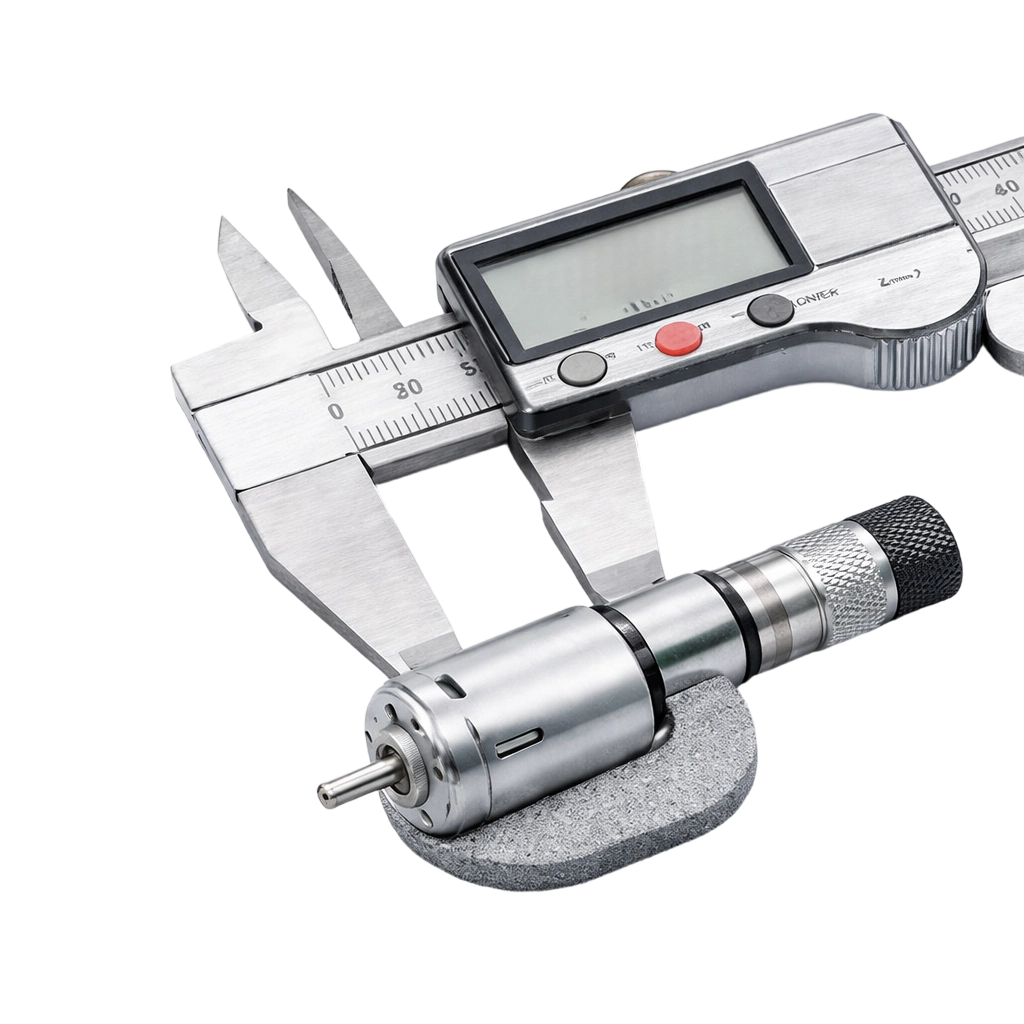
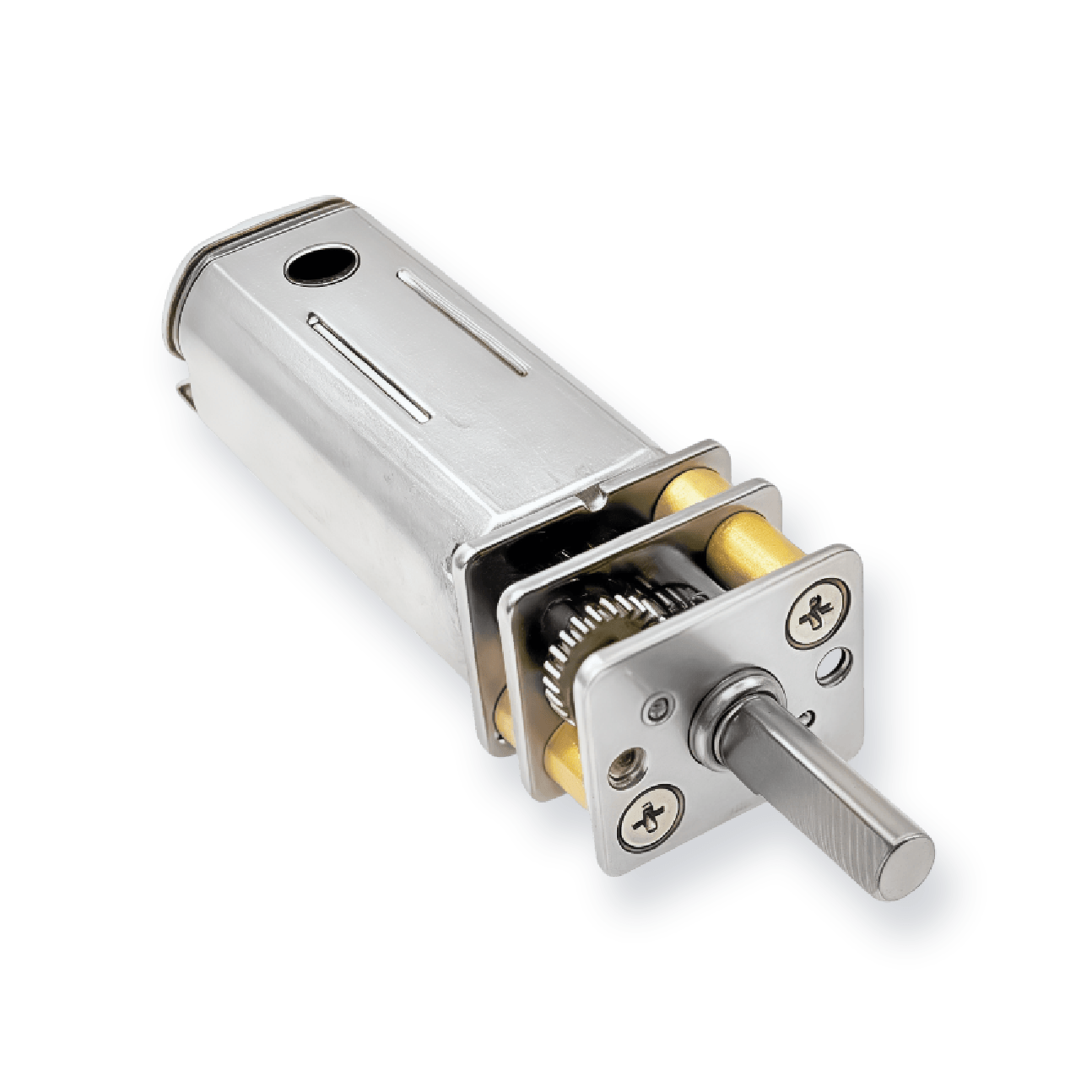
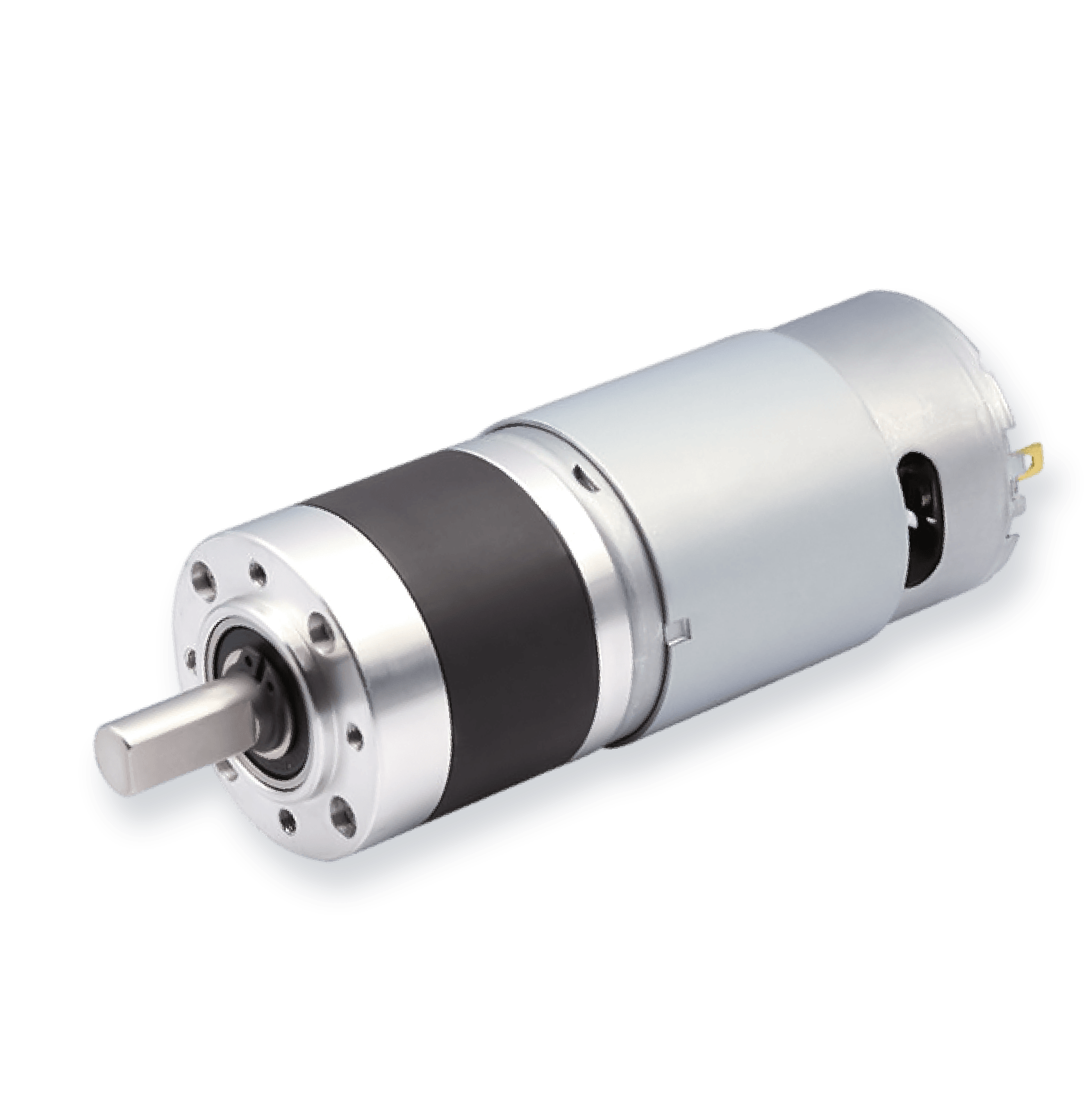
16mm Diameter DC Brushed Coreless Motor

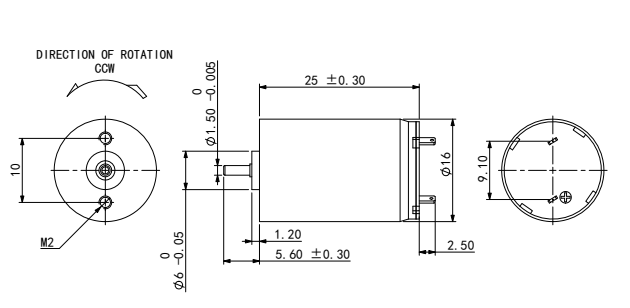
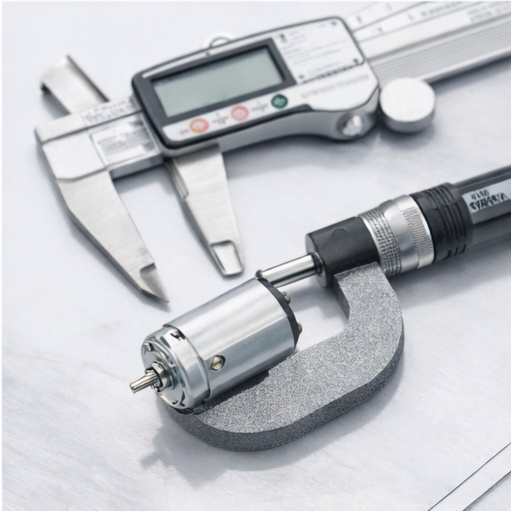
This 16mm brushed coreless DC motor is designed for 6–48V systems where you select between multiple windings to match supply voltage, free-run speed, and stall-current limits without changing the Φ16×L25 envelope.

Get a Quote
  • 16mm Diameter DC Brushed Coreless Motor Featured Image
Specs

Key Features

This model is a brushed coreless motor platform defined by a fixed Φ16×L25 size and multiple winding options, making selection straightforward when your driver limits and speed target matter more than gearbox reduction.

  • Φ16×L25 envelope stays constant while voltage and speed behavior change by winding
  • Multiple rated-voltage options (4.5 / 5.0 / 6.0 / 12.0 VDC) let you match your supply without forcing control redesign
  • No-load speed and rated speed columns let you plan working RPM instead of relying on free-run numbers
  • Stall torque and stall current clearly separate “normal operation” from jam/fault limits for driver protection
technical Specs

Motors Specifications

Motor Model

Rated voltage

No-load speed

No-load current

Rated speed

Rated torque

Rated current

Stall torque

Stall current

VDC

r/min

mA

r/min

g.cm

mA

g.cm

A

BLC1625-001

4.5

7760

25

6300 20 400 110.0

2.10

BLC1625-005

5.0

8260

25

6800

20

400

120.0

2.20

BLC1625-008

6.0

6400

10

5300

15

180

90.0

1.10

BLC1625-011

12.0

10050

15

8900

21

200

170.0

1.70

For additional customization or reference configurations, please feel free to contact us.

Why Choose us

SLW Motor Highlights

  • Winding Options Define Your Current and Speed Limits

    The four rated-voltage variants let you pick the winding that matches your supply and driver current ceiling instead of forcing heavy PWM compensation.

  • High-Speed Coreless Output in a Small Envelope

    Rated speeds reach the 5k–9k r/min class in the listed variants, which suits compact mechanisms that depend on speed response.

  • Stall Current Separates Driver Protection Strategies

    Stall current ranges from 1.10A to 2.20A across variants, which directly affects current limiting, wiring choice, and fault recovery behavior.

  • Torque Planning Uses Rated Torque, Not Stall Torque

    Rated torque values (where provided) support working-load planning, while stall torque defines the boundary condition for jam events.

Custom

Beyond the Standard: Performance Customized

  • 01
    Winding Selection by Driver Current Ceiling
    We start with your driver’s allowable peak current, then choose the winding that keeps stall-current risk inside your protection strategy.
  • 02
    Speed Target Lock-In at the Rated-Speed Column
    We map your target operating RPM to the rated speed first, because selection errors usually come from using no-load speed as the target.
  • 03
    Supply-Rail Fit Without Overdriving
    We match rated voltage to your real supply rails so the motor does not run permanently over-voltage or under-voltage in production units.
  • 04
    Thermal Planning From No-Load and Rated Current
    We use no-load current and rated current to estimate baseline heating and loaded heating so the motor stays stable in your duty cycle.
  • 05
    Variant Strategy for Multi-Voltage Product Lines
    If you build multiple SKUs, we standardize the Φ16×L25 platform and differentiate by winding choice to keep BOM and assembly changes minimal.
  • Winding Selection by Driver Current Ceiling
  • Speed Target Lock-In at the Rated-Speed Column
  • Supply-Rail Fit Without Overdriving
  • Thermal Planning From No-Load and Rated Current
  • Variant Strategy for Multi-Voltage Product Lines

Custom Now

Related

Explore Our Motor

View All Products

FAQ

Frequently Asked Questions

If you share your available space and the driven load type, we can help narrow the most suitable configuration quickly.

How do I choose between the voltage variants quickly?
Match your supply voltage first, then check stall current against your driver limit, and finally verify rated speed meets your target RPM.
Why is stall current important if I run below stall most of the time?
It defines what happens during jams, startup spikes, and abnormal friction events, which drives protection and reliability.
What should I share so you can shortlist the best option?
Share your supply voltage, target operating RPM, load torque estimate, duty cycle, and your driver’s current limit.
Is this suitable for repeat production across variants?
Yes. You can reuse the same Φ16×L25 motor platform and select different windings to match different voltage ecosystems.
Get Started

Accelerate Your Project with Precision Motors