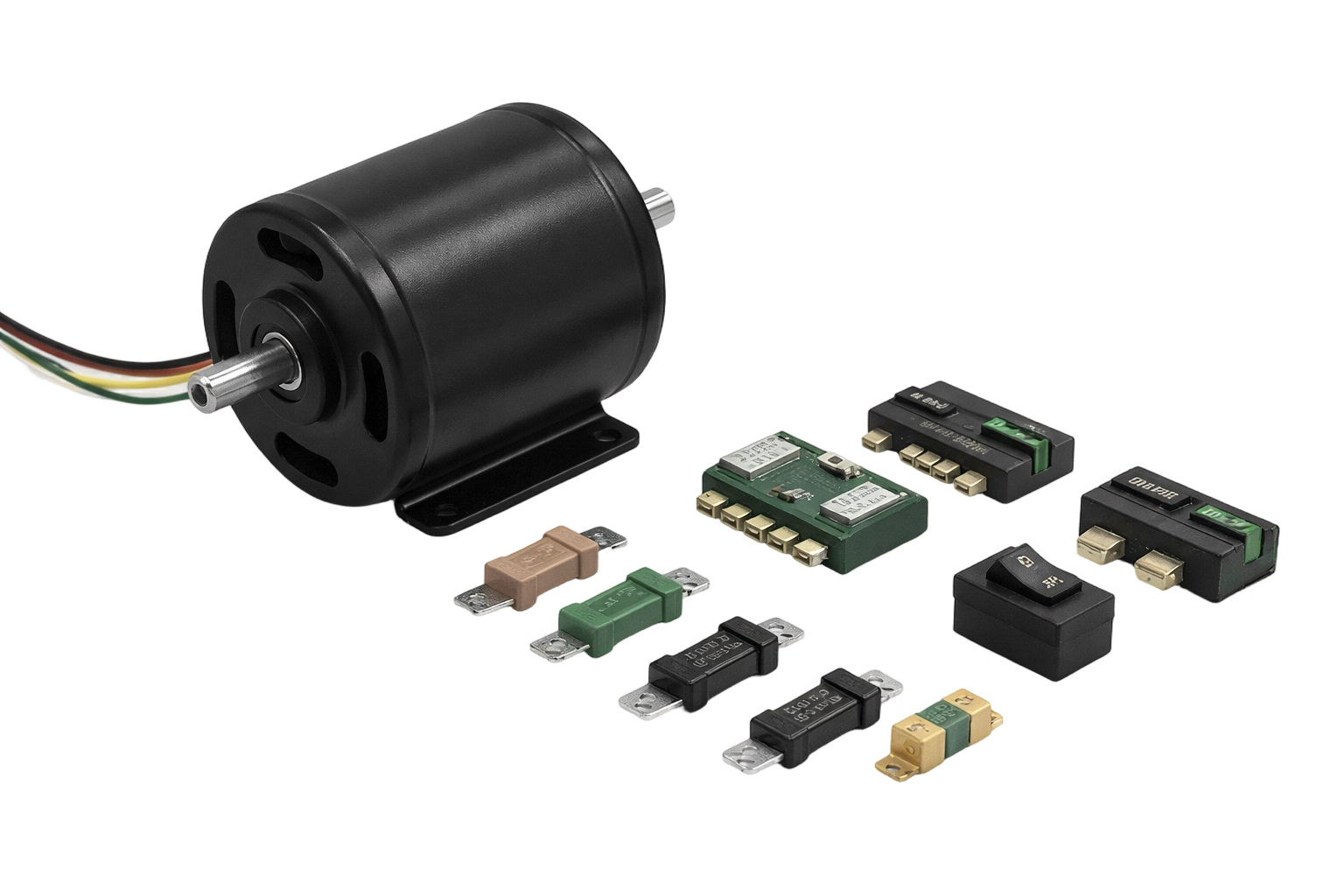
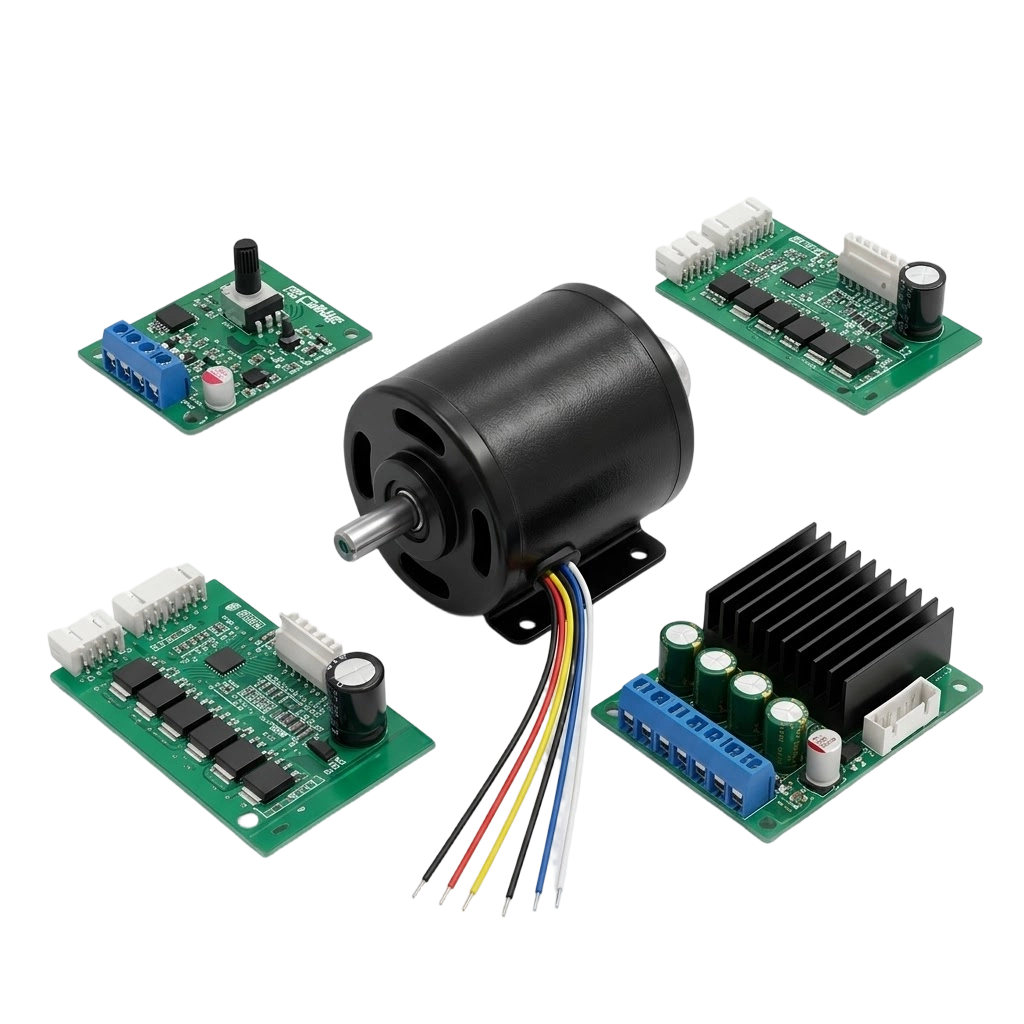
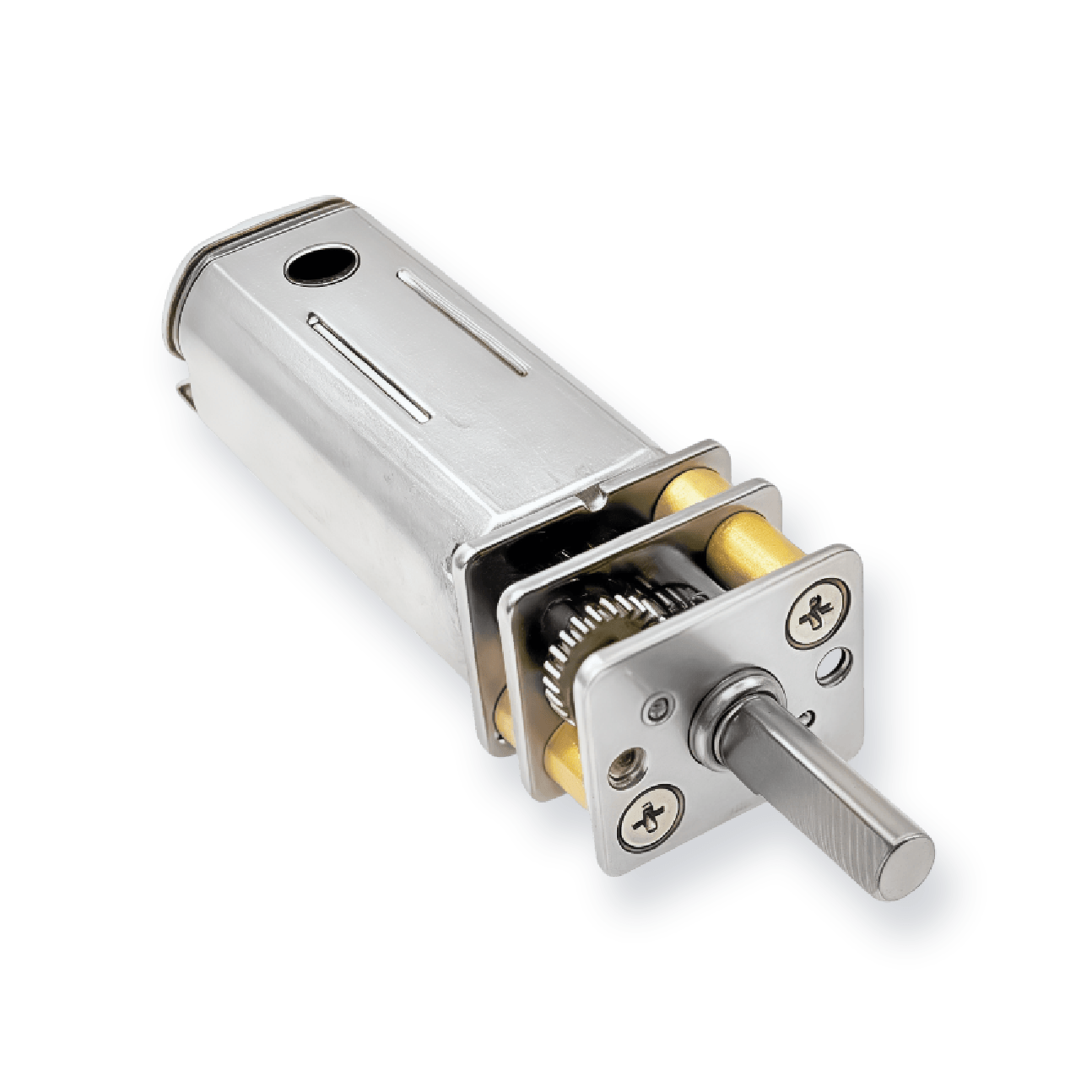
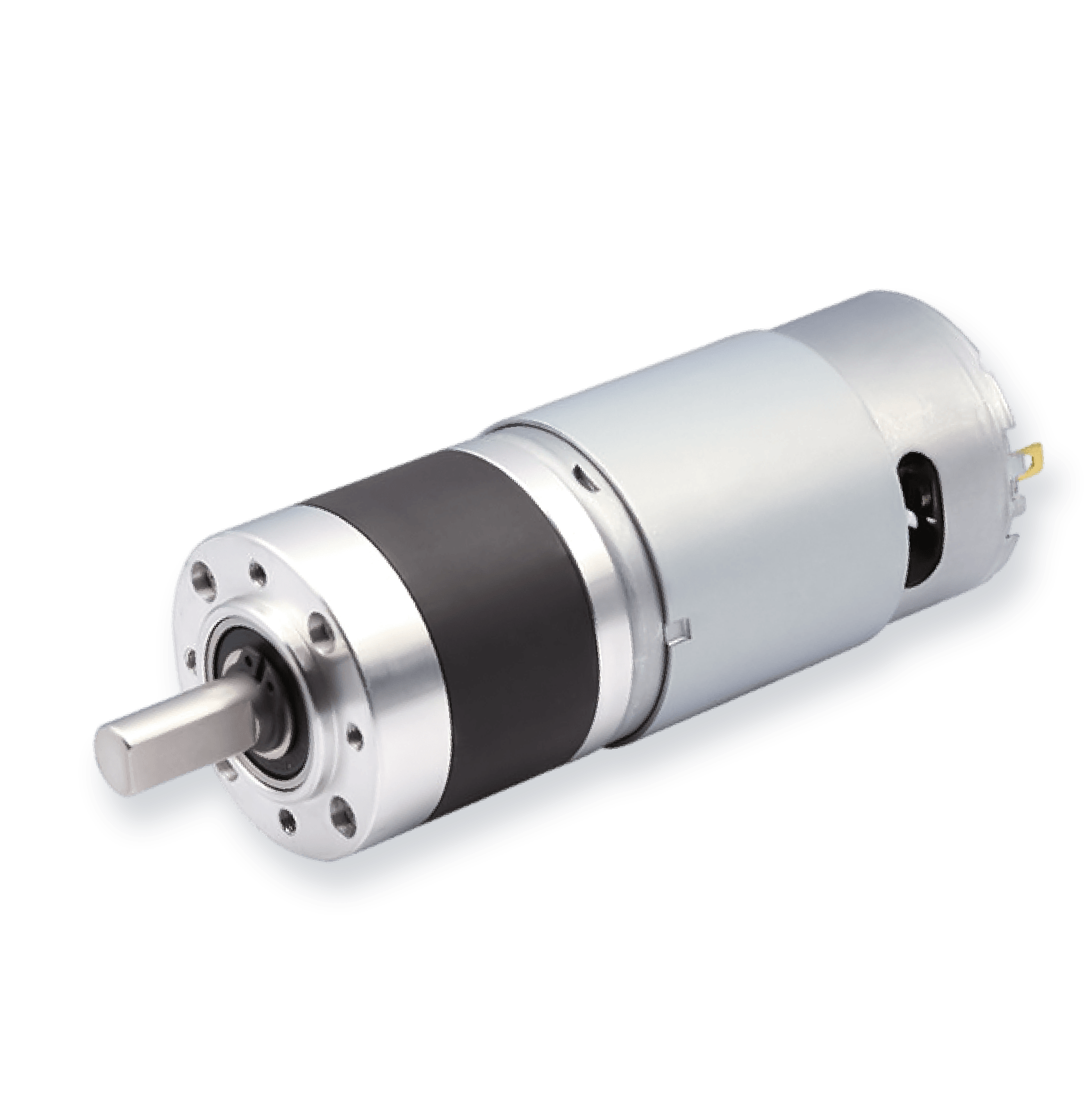
22mm Diameter 30 Brushless DC Motor BLDC Motors

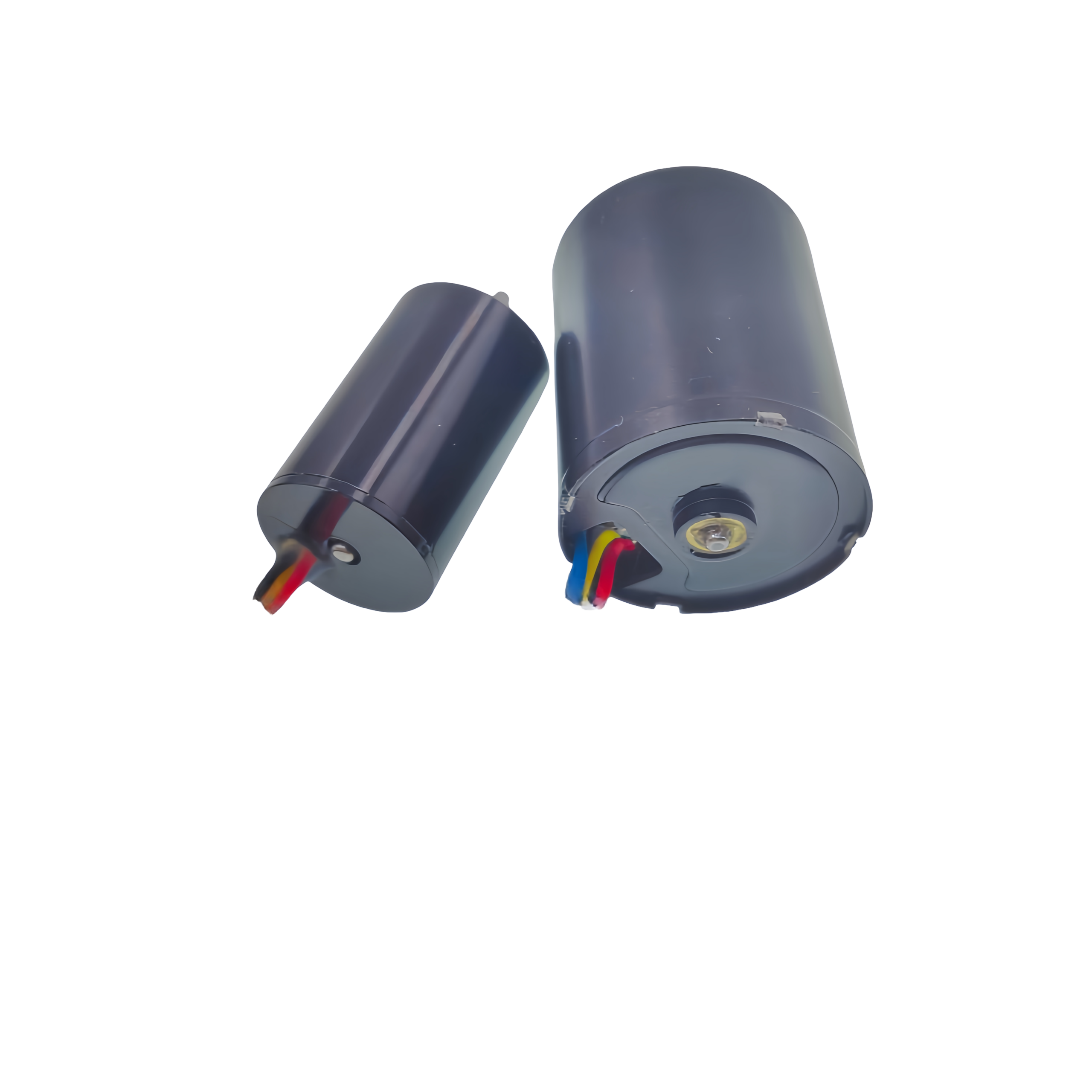
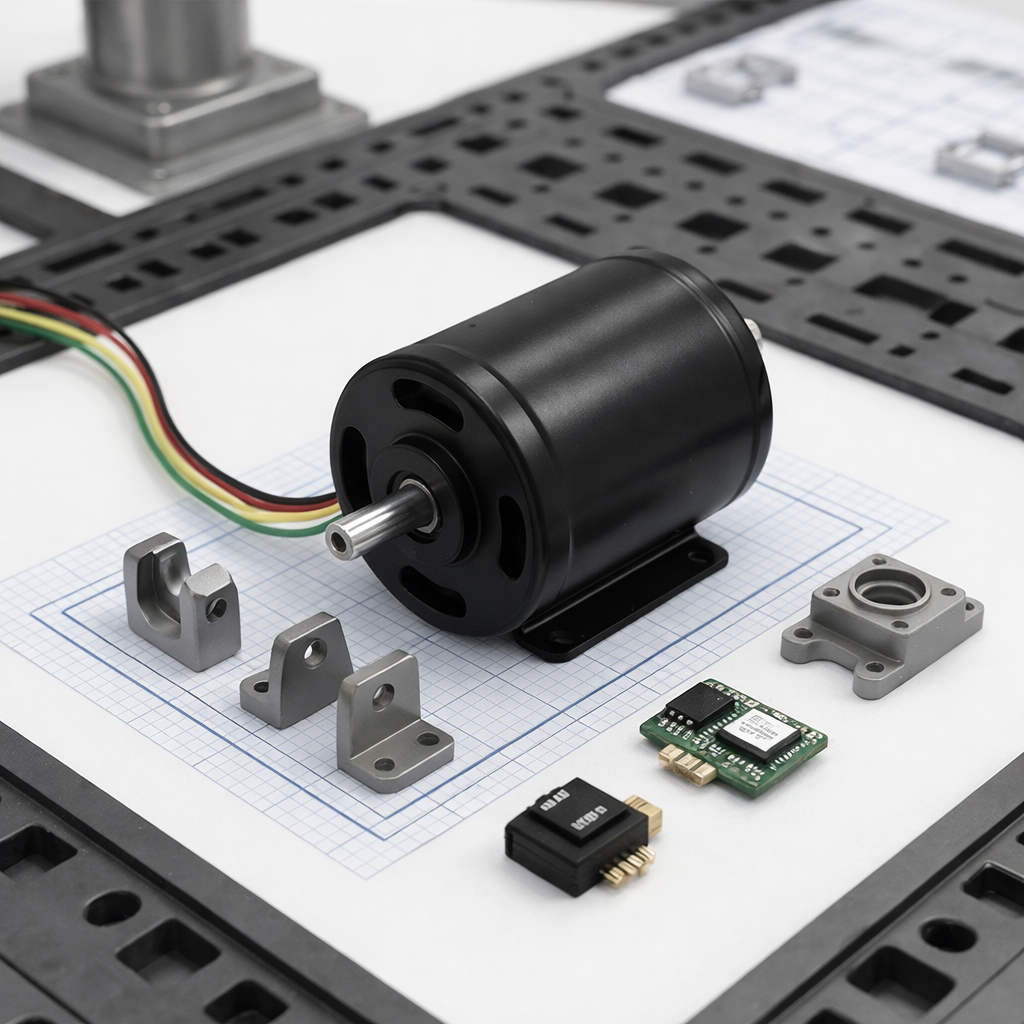
This 22mm BLDC motor is designed for 6–24V systems where you select by the maximum-efficiency operating point and stall limits, keeping speed, output, and thermal risk visible from the table.

Get a Quote
22mm Diameter 30 Brushless DC Motor BLDC Motors Featured Image
Specs

Key Features

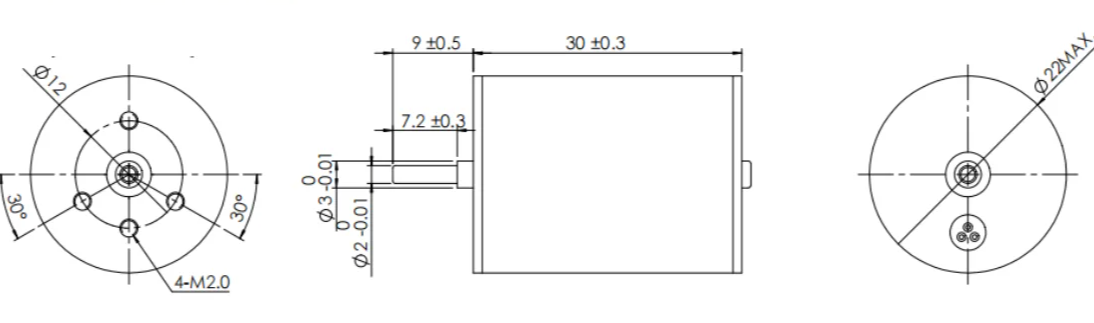
This model is a 22mm BLDC motor platform defined by its maximum-efficiency operating point and clear stall limits, making selection straightforward when you must balance speed, output, and driver protection.
  • 6V–24V applied range supports common low-voltage control architectures
  • Three voltage configurations shift the speed window from 3100 to 8600 r/min at no-load, helping you match your target RPM without gearing changes
  • Maximum-efficiency point is fully specified, so you can select by real working speed, torque, and output instead of no-load RPM
  • Efficiency is listed per configuration at 68.5% / 70.5% / 75.3%, enabling loss planning and thermal margin checks
  • Stall torque and stall current are explicit, so you can set current-limit logic and protection thresholds based on real worst-case events
technical Specs

Motors Specifications

Motor model

Voltage

No-load

At  Maximum Efficiency

Stall

Current

Speed

Current

Speed

Torque

Output

Efficiency

Torque

Current

V

A

r/min

A

r/min

g.cm    mN.m

W

%

g.cm    mN.m

A

BL2832M-01

12.0

0.24

3100

1.33

2600

380.0    37.28

10.13

68.5

2353    230.8

6.38

BL2832M-02

18.0

0.22

6400

1.18

5400

270.0    26.49

14.98

70.5

1743    170.9

6.42

BL2832M-03

24.0

0.35

8600

1.52

7250

370.0    36.30

27.53

75.3

2365    232.0

7.84

For additional customization or reference configurations, please feel free to contact us.

Why Choose us

SLW Motor Highlights

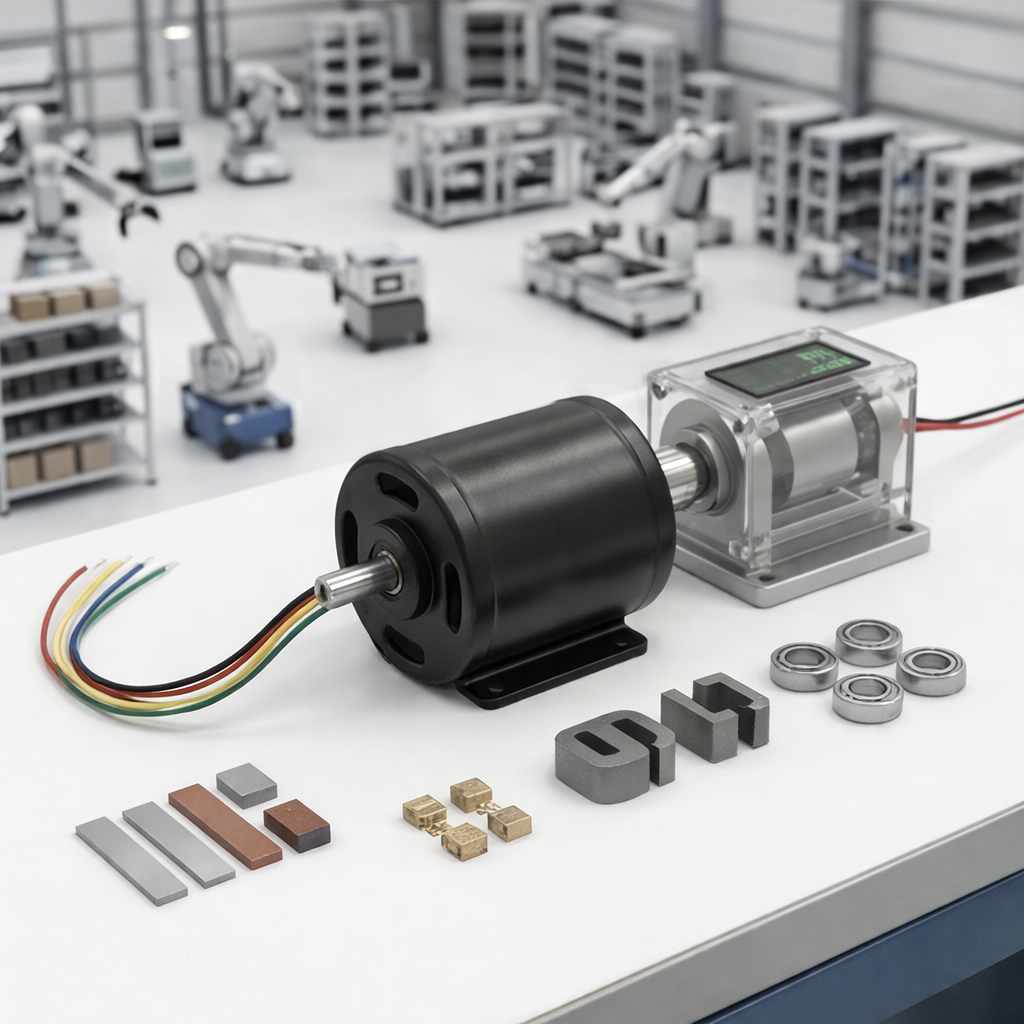
  • Select by the Maximum-Efficiency Operating Point

    Each configuration lists the working speed, torque, output, and efficiency at maximum efficiency. That lets you choose based on the operating point your mechanism will actually live in.
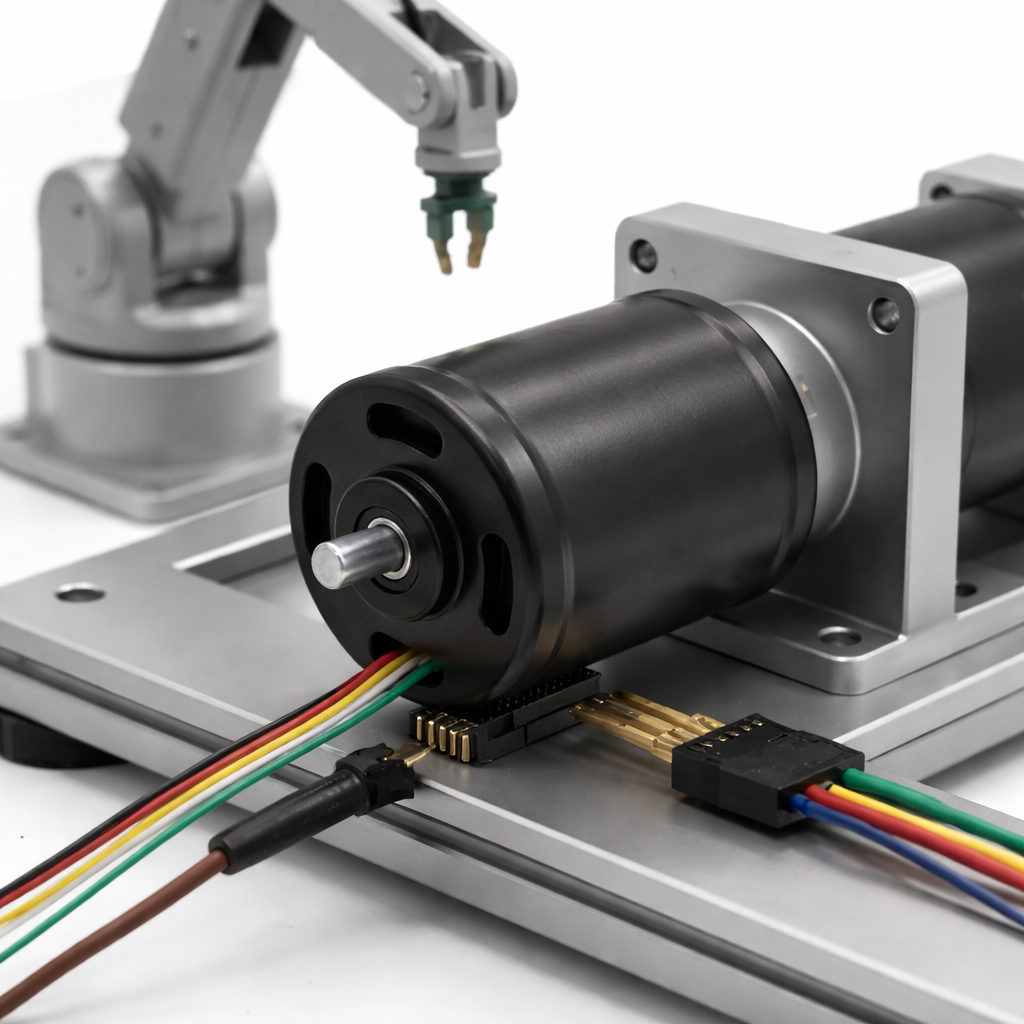
  • Voltage Choice Shifts the Speed Window

    No-load speed moves from 3100 to 8600 r/min as voltage changes. This is the main lever when your design needs a specific RPM class without changing the motor frame.
  • Efficiency Numbers Support Thermal Planning

    Efficiency is explicitly listed, so you can estimate loss and heat rise by configuration instead of assuming similar winding behavior across voltages.
  • Stall Limits Define Protection Strategy Early

    Stall torque and stall current are specified per configuration. That enables current-limit settings, wiring margin checks, and fault recovery logic before you finalize the design.

Custom

Beyond the Standard: Performance Customized

  • 01
    Maximum-Efficiency Point Lock-In for Your Real Working RPM
    We start from the maximum-efficiency speed and torque columns, then select the voltage configuration that places your working point closest to that zone.
  • 02
    Stall-Current Boundary Planning for Driver Survival
    We define your allowable stall-current exposure first, because the table shows different stall currents by configuration and that drives controller sizing and protection thresholds.
  • 03
    Output-Per-Speed Reality Check Using the Output Column
    We use the Output value at maximum efficiency to confirm the motor can deliver the mechanical output you need at the speed you care about, not just hit RPM on paper.
  • 04
    Torque Unit Consistency for Mechanical Interface Decisions
    We keep both torque units shown in the table aligned to your mechanical calculations so coupling, load torque, and safety margin decisions stay consistent with the source data.
  • 05
    Configuration Strategy for 12V, 18V, and 24V Product Families
    If you ship multiple voltage SKUs, we align configurations to reuse the same motor envelope while shifting speed and output through the voltage selection.
  • Maximum-Efficiency Point Lock-In for Your Real Working RPM
  • Stall-Current Boundary Planning for Driver Survival
  • Output-Per-Speed Reality Check Using the Output Column
  • Torque Unit Consistency for Mechanical Interface Decisions
  • Configuration Strategy for 12V, 18V, and 24V Product Families

Custom Now

Related

Explore Our Motor

View All Products

FAQ

Frequently Asked Questions

If you share your available space and the driven load type, we can help narrow the most suitable configuration quickly.

How do I choose between the voltage configurations quickly?
Match your target working RPM to the maximum-efficiency speed first, then confirm the output and stall current fit your system limits.
Why should I use the maximum-efficiency columns instead of no-load speed?
No-load speed does not represent working behavior. The maximum-efficiency point shows the realistic balance of speed, torque, output, and loss.
Which configuration runs with the highest listed efficiency?
The 24.0V configuration lists the highest efficiency at 75.3%.
What should I share so you can shortlist the best option?
Share your target RPM, estimated load torque, duty cycle, supply voltage range, and your driver current limit.
Is this suitable for repeat production across variants?
Yes. You can keep the same motor platform and separate variants by voltage configuration while managing speed and output through the table values.
Get Started

Accelerate Your Project with Precision Motors